Wine
Alella Wine Tasting from Barcelona: Train Plus Taxi Plan
A precise no-driving route to an Alella tasting using the coastal train and a pre-arranged final connection.
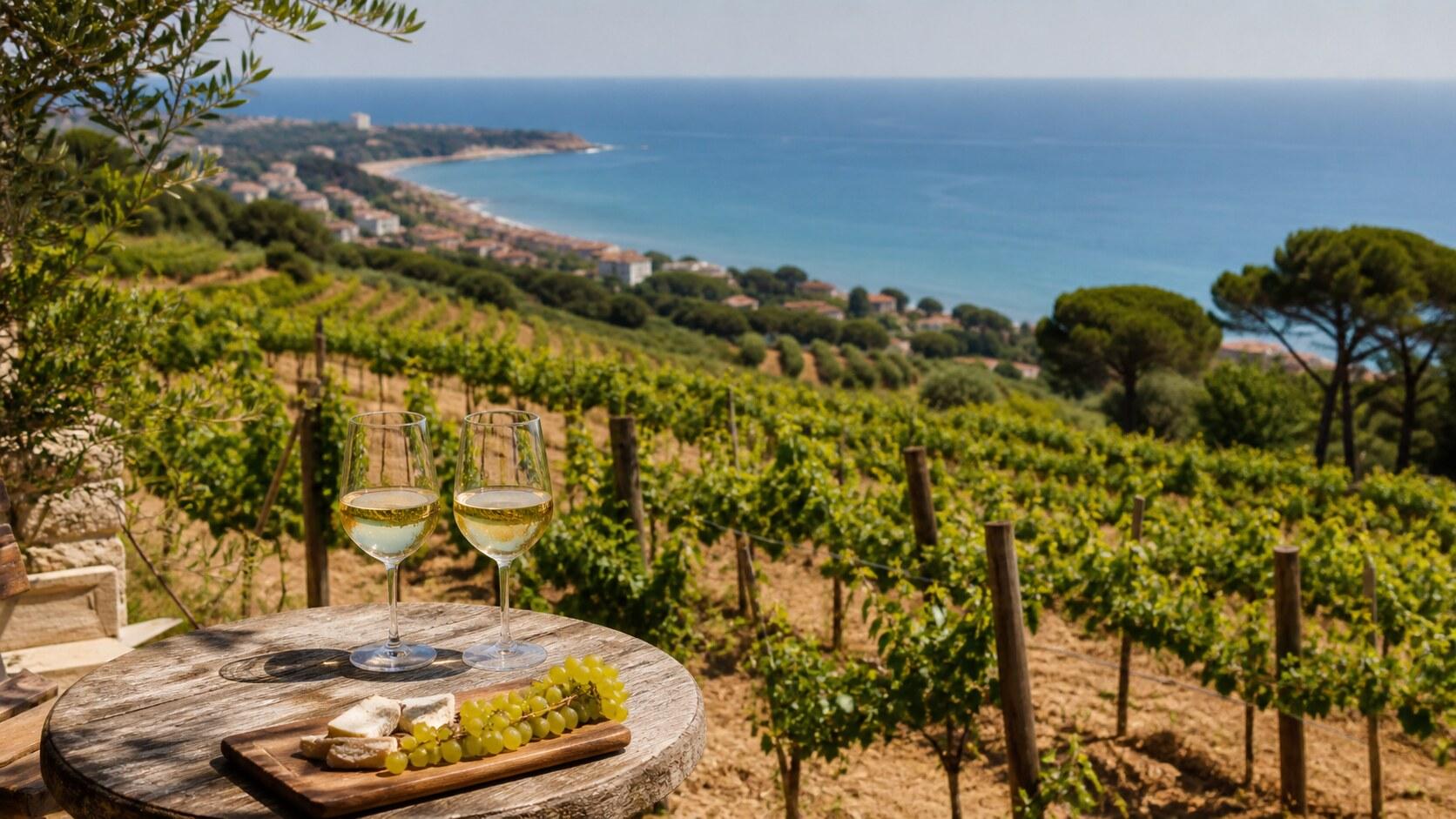
Alella's vineyards begin almost where Barcelona's northern suburbs give way to the Maresme, yet the final kilometre makes the trip feel rural. The R1 railway follows the coast; the cellars sit inland on slopes. A car-free tasting works when the train and taxi are treated as one reservation rather than two hopeful connections.
Choose the cellar before the train
The official DO Alella site presents seven family wineries and their wine-tourism offers. Start there, choose one property and contact it directly. Ask for the visit language, exact address, duration, wines and food included, accessibility, cancellation rule and the station it recommends.
Do not assume every listed cellar receives visitors every day. Production work, harvest and private events can change access. One unhurried visit with a clear host gives a better sense of Alella than two appointments separated by anxious taxi rides.
Join the coast to the hills
Rodalies R1 serves the Maresme coast; El Masnou and Ocata are the likely rail approaches, but the winery should name the right one. Compare Barcelona–Alella trains on the day because engineering works can alter an otherwise simple journey.
Book a local taxi or confirm the winery's transfer before buying a fixed tasting. Give the driver the full winery address, passenger count and return time. Arrive at the station with at least thirty minutes before the road connection, leaving space for a platform change or delayed train.
Compare guided Alella visits by named winery, pickup point and inclusions. “Wine tour from Barcelona” is too vague if the product does not identify where the tasting occurs and who handles the final transfer.

Taste the place, not a checklist
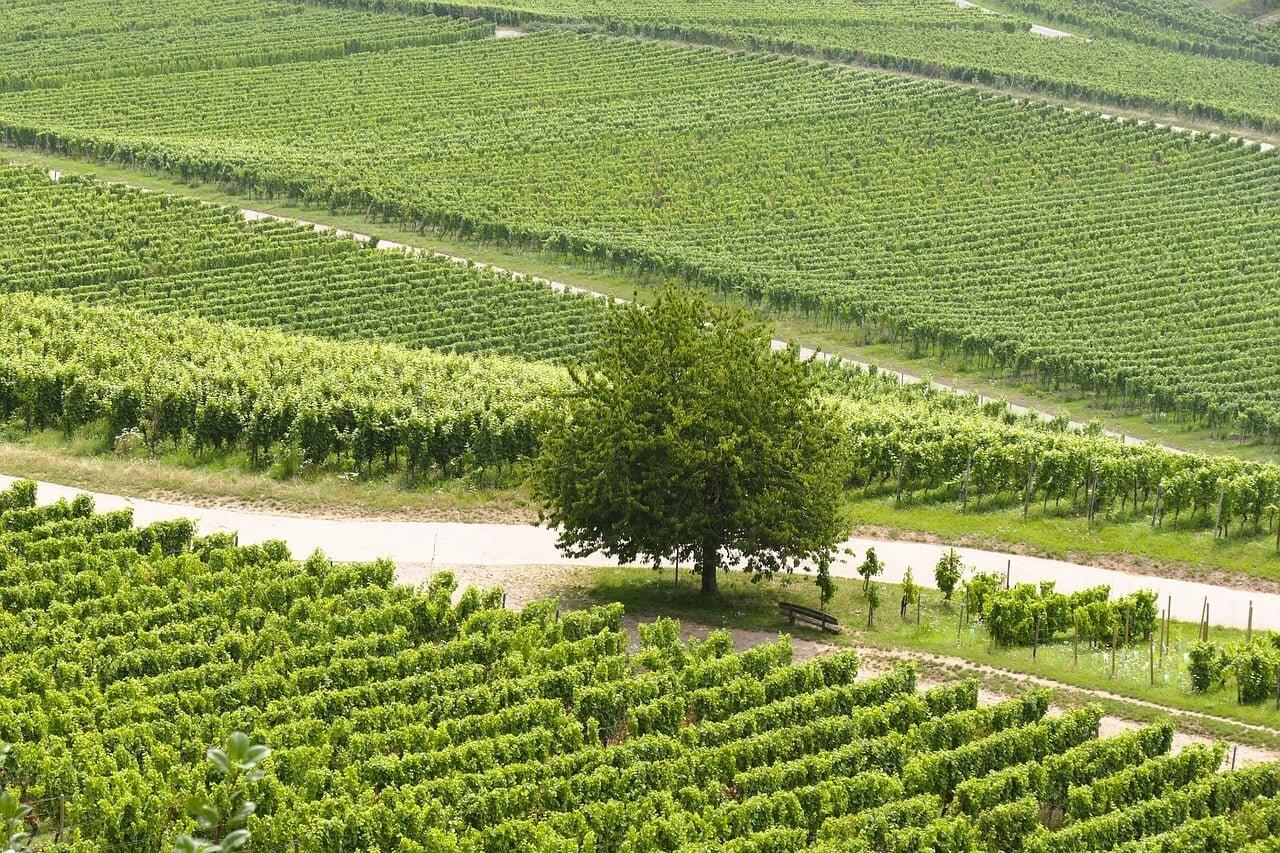
Alella is closely associated with Pansa Blanca, the local name for Xarel·lo. Ask how proximity to the Mediterranean, slope and soil shape the wine, then compare a still expression with a sparkling or aged one if offered. The point is not to memorize tasting notes but to connect a glass with the compact landscape seen outside.
Eat before or after according to the winery's real offer. A few nibbles are not lunch, and opening a second bottle is not a transport plan. Choose a restaurant in Alella village or near the coast only after confirming its kitchen hours and the taxi between stops.
The return driver should be booked before the first pour. Ride-hailing supply around rural estates is not guaranteed. If the car is late, ask the winery to call its local contact and move lunch rather than walking an unsigned road or risking the final useful train.
Buy only what can travel well
One bottle that recalls the visit is more useful than a case dragged across Barcelona. Ask about shipping, heat and baggage limits before purchasing. In summer, do not leave wine in a parked vehicle; temperature damage can undo the care taken in the cellar.
Driving gives more choice among scattered estates, but the driver must remain alcohol-free. Spitting is normal in a professional tasting and should never be treated as impolite. For a car-free day, the apparent inconvenience of a planned taxi is the very thing that allows everyone to taste safely.
Allow half a day, then leave the evening flexible. Alella is close enough that it does not need to be crowded with another destination. Reconfirm the cellar appointment, R1 service and both taxi legs before departure; see Rodalies de Catalunya R1 line information.
Related guides
- Terra Alta Wine Weekend: Gandesa and Batea Without Rush
A two-night Terra Alta wine plan linking Gandesa and Batea, with driver options, tasting costs, and summer heat strategy.
- Pla de Bages Wine Day from Manresa: Cellars and Dry Stone
A driver-safe Pla de Bages wine day pairing one cellar with dry-stone vineyard heritage and a Manresa base.
- Xarel·lo: How to Taste Catalonia's Versatile White Grape
Compare still, sparkling, young, and textured Xarel·lo, learn label clues, plan a Penedès tasting, and pair the grape with food.
Are you in the know?
Receive new articles, local updates, and occasional offers from selected partners. We never share your email address. Unsubscribe at any time.
By subscribing you agree to our privacy policy.