Wine
Catalan Wine Grapes: A Beginner’s Guide to What You’ll Taste
Meet the grapes behind Catalan wines, from Xarel·lo and Garnatxa to Cariñena and Macabeu.
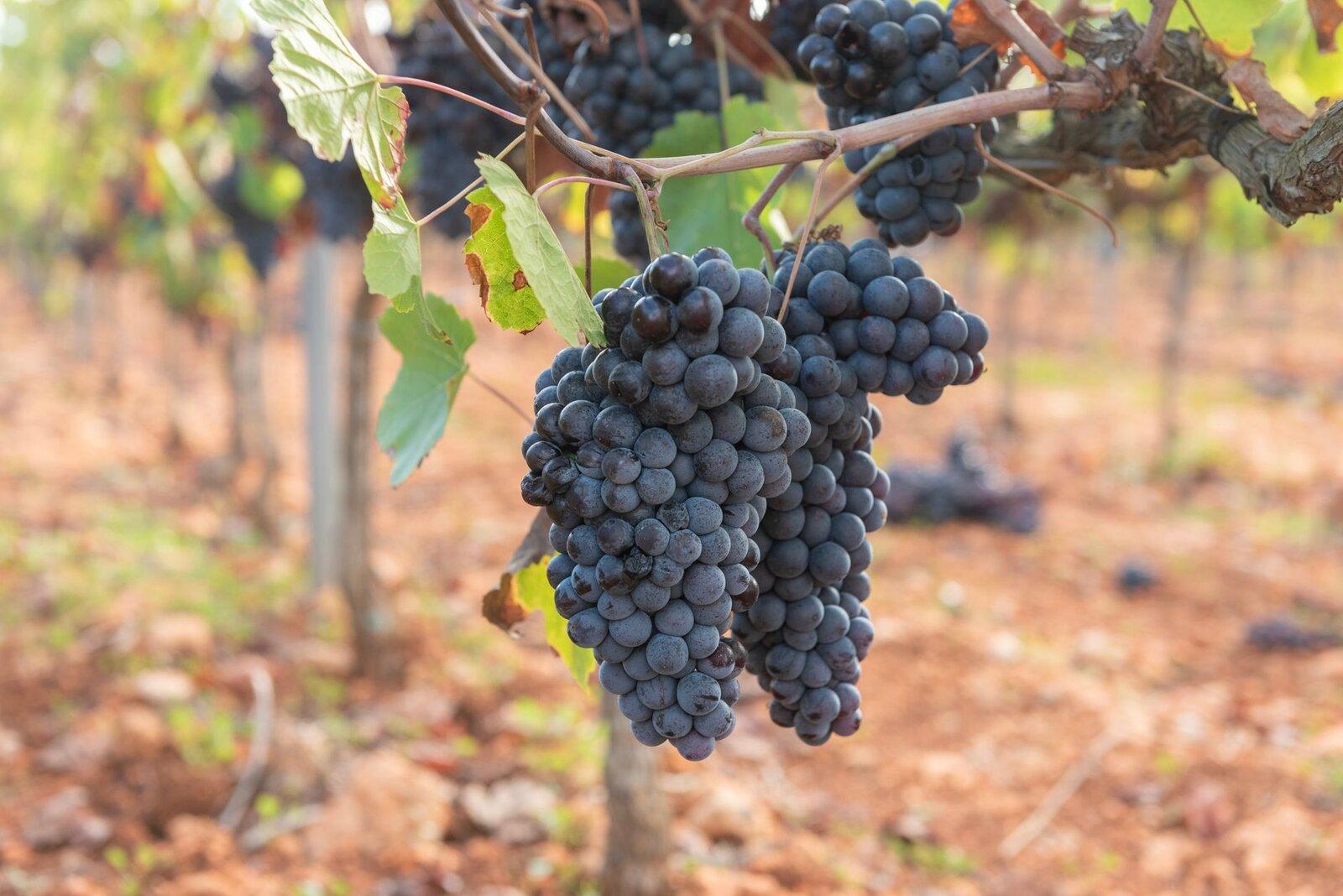
Catalonia’s wine map becomes much easier to read once you recognize a handful of grape names. Xarel·lo, Macabeu, Parellada, Garnatxa, and Carinyena are the useful starting five, but each changes with altitude, soil, farming, and the person making the wine.
Think of this as a tasting companion, not an exam. If you remember one grape and one question to ask about it, the guide has done its job.
Turn the Guide into a Tasting
- Easiest route: visit a specialist wine bar or bottle shop → ask for three small pours built around Xarel·lo, Garnatxa, and Carinyena → compare region and winemaking → buy only the bottle you most want to revisit.
- Time: 60–90 minutes for a guided flight; 2–3 hours for a winery visit with vineyard or cellar tour.
- Budget: allow €15–30 for a three-wine flight with a small snack, €18–40 for a standard cellar visit, or €10–25 for an entry-level bottle in a shop. Old-vine and limited wines can cost much more.
- Where: use Penedès for Xarel·lo and traditional sparkling grapes, Terra Alta for Garnatxa Blanca, and Priorat or Empordà for Garnatxa and Carinyena.
- Book: reserve cellar tastings directly and confirm the language, number of wines, food, accessibility, and transport before paying.
Grape information checked August 2026 against INCAVI’s official Catalan DO information. Prices are current planning ranges, not a promise from any producer.
Xarel·lo: More Than a Sparkling-Wine Grape
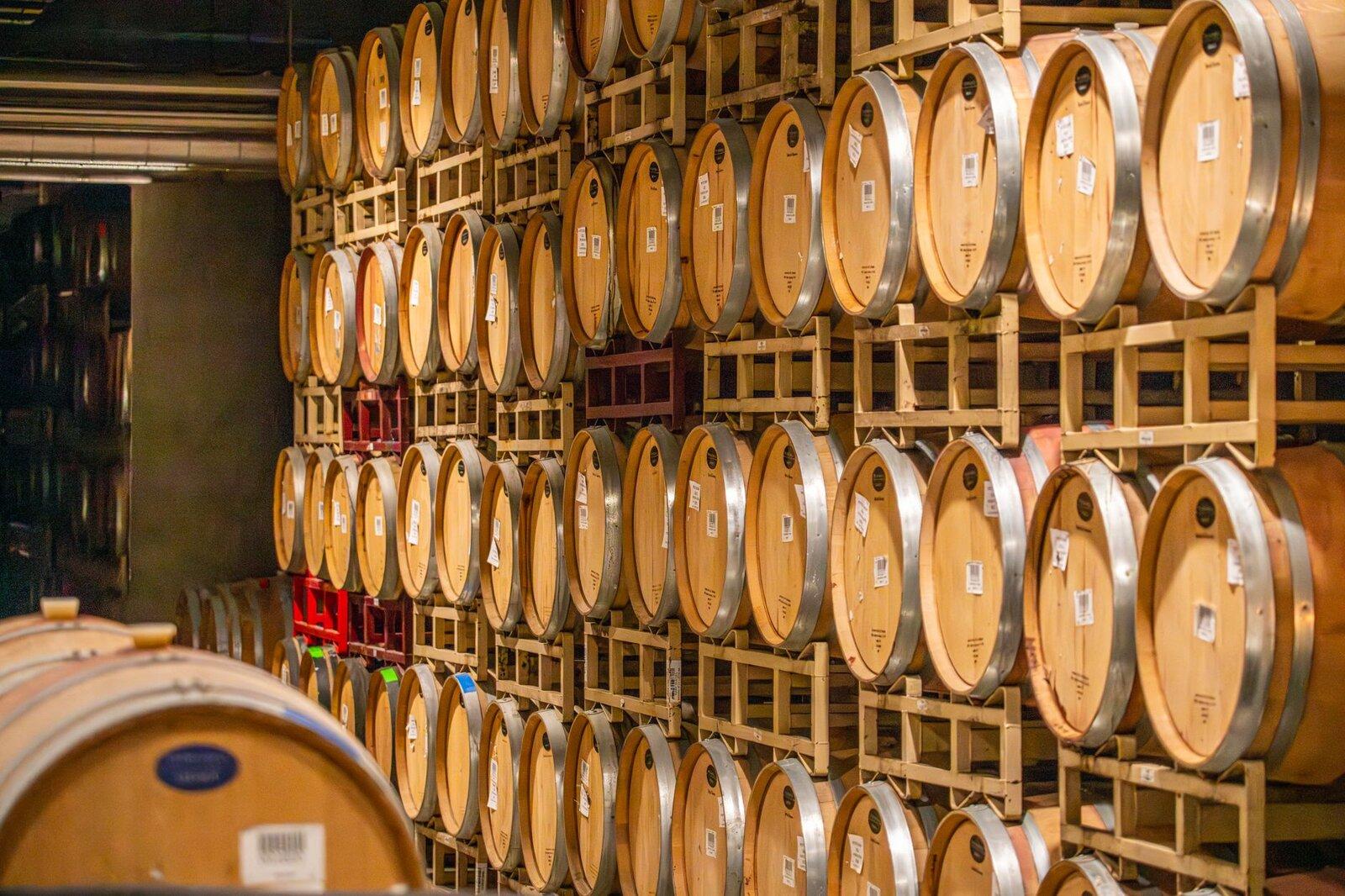
Xarel·lo is closely associated with Penedès. In sparkling wine it can bring acidity, structure, and savoury character; as a still wine it may feel textured and herbal rather than simply light and fruity. Ask whether the wine saw skin contact, oak, or extended lees ageing—those choices can dramatically change it.
Macabeu and Parellada
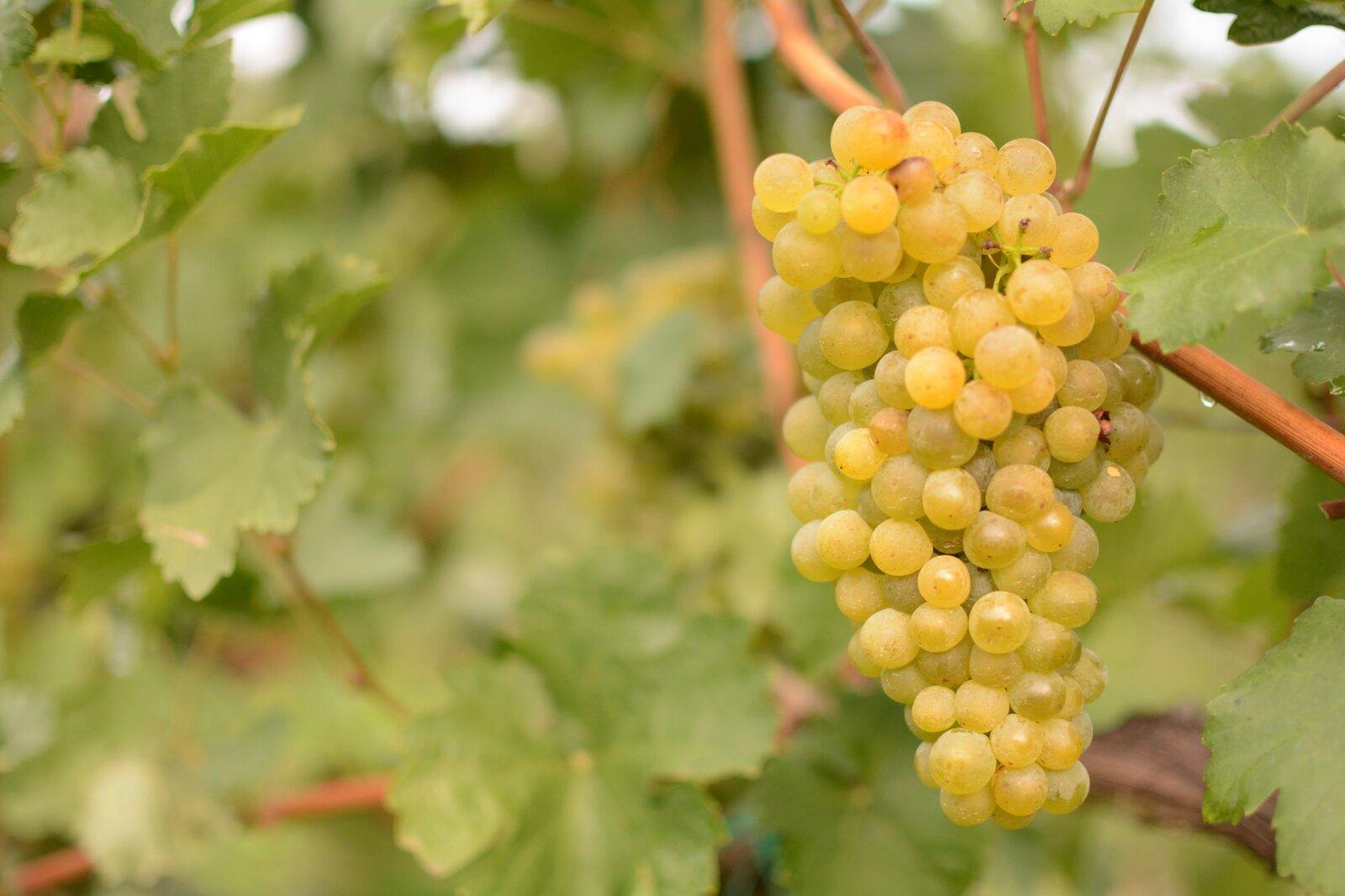
Macabeu appears in both still and sparkling wines and can contribute floral, orchard-fruit, or gently waxy notes. Parellada is often associated with higher sites and a lighter, fresher profile. Both are familiar parts of traditional sparkling blends, though producers increasingly bottle distinct expressions.
Garnatxa in Several Colours
Garnatxa is not only red. Catalonia grows red, white, and grey-skinned forms, producing everything from pale, saline whites to generous reds and sweet fortified wines. Empordà, Terra Alta, Priorat, and Montsant each offer a different lens on the family.
Carinyena: Structure and Freshness
Carinyena—often written Cariñena or Carignan elsewhere—can give colour, acidity, spice, and firm structure. Old vines are especially valued in regions such as Priorat and Empordà, where the variety can balance Garnatxa’s breadth.
Other Names Worth Knowing
Trepat is associated with Conca de Barberà and can produce fragrant reds and rosés. Picapoll is a calling card of Pla de Bages. Sumoll, once widely planted, has attracted renewed attention from producers interested in local varieties and lighter red styles.
How to Use This Guide at a Tasting
Ask three things: Which grape dominates? Where was it grown? What did the cellar do with it? The answers explain more than a list of tasting notes. Grape variety is the opening line of the story, not the conclusion.
After working through Catalan Wine Grapes, continue with Cava vs Corpinnat: Catalan Sparkling Wine Explained for the closest complementary decision and a different itinerary.
Information checked August 2026 against the official or primary sources linked above.
Execution Checks for Catalan Wine Grapes
Choose the real venue for Catalan Wine Grapes before planning around the experience. Save its address, service or event window, and the local wording needed to ask for the relevant item. A named market, bar, winery, square, or cultural programme is more actionable than assuming the custom will be available everywhere.
Give Catalan Wine Grapes a deliberate order: observe first, ask or order second, and add optional purchases or another venue only after the central experience works. This avoids filling the schedule with loosely related stops and leaves room to follow local timing, service rhythm, and etiquette without rushing participants.
For Catalan Wine Grapes, protect 60–90 minutes for a guided flight; 2–3 hours for a winery visit with vineyard or cellar tour in the calendar. Add separate buffers for finding the entrance, toilets or equipment, and the return connection; those transitions are rarely included in an advertised visit duration. Decide the latest acceptable start before leaving accommodation.
Plan comfort and access for Catalan Wine Grapes by checking expected standing, seating, crowd density, noise, smoke, and toilet access. These conditions affect children, older visitors, and sensory or mobility needs more than the headline duration. Choose an edge position or shorter session before discomfort forces an abrupt exit.
For a complementary decision after Catalan Wine Grapes, use Alella Wine Tasting from Barcelona: Train Plus Taxi Plan; its focus on Alella Wine Tasting from Barcelona extends the plan without repeating the same route.
Related guides
- Terra Alta Wine Weekend: Gandesa and Batea Without Rush
A two-night Terra Alta wine plan linking Gandesa and Batea, with driver options, tasting costs, and summer heat strategy.
- Pla de Bages Wine Day from Manresa: Cellars and Dry Stone
A driver-safe Pla de Bages wine day pairing one cellar with dry-stone vineyard heritage and a Manresa base.
- Cava vs Corpinnat: Catalan Sparkling Wine Explained
Understand the terms on a Catalan sparkling-wine label before a cellar visit or tasting.