Wine
DO Montsant: A First Tasting and Cellar Day
Understand DO Montsant grapes, labels, landscapes, tasting order, cellar appointments, lunch, and the sober transport decision.
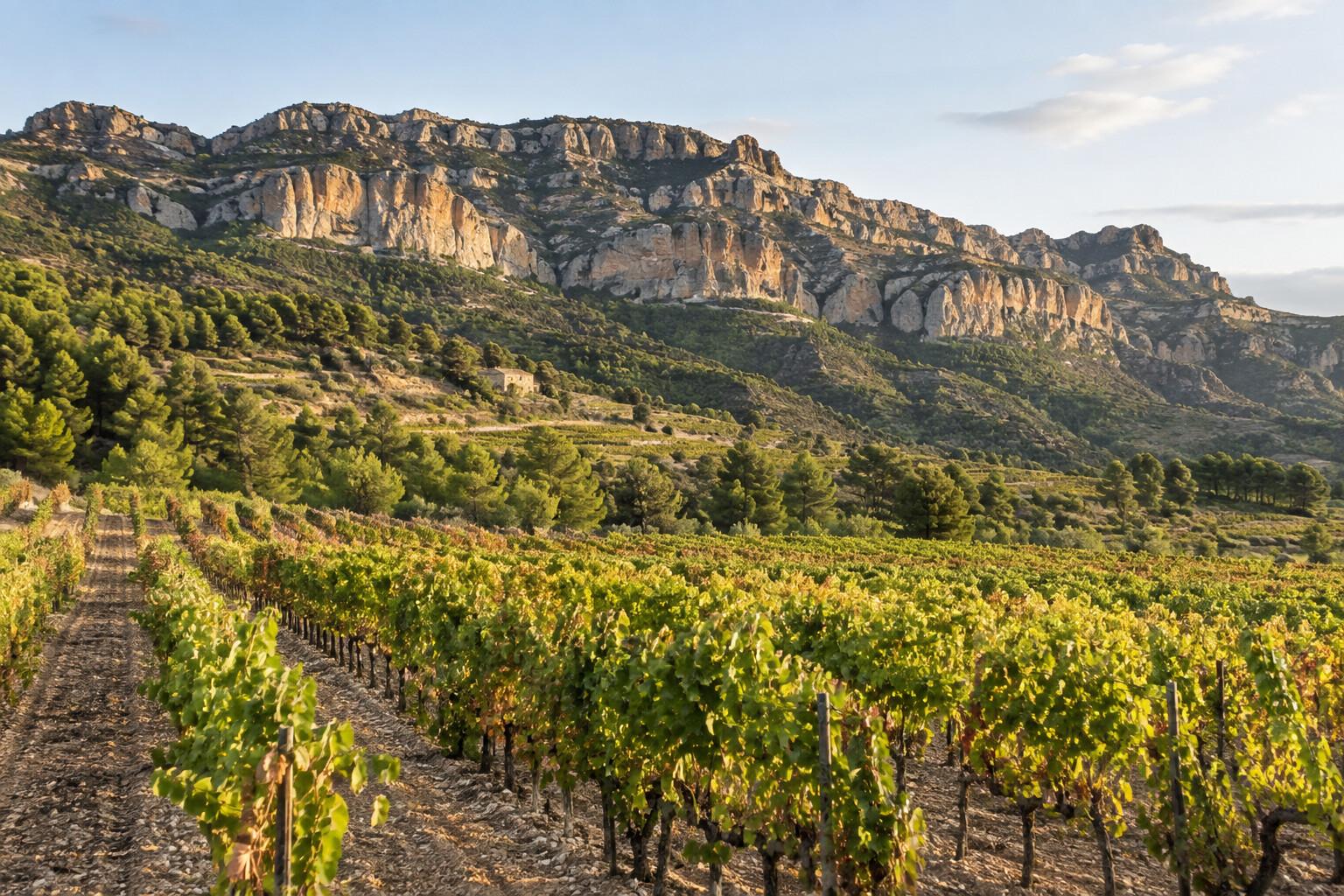
DO Montsant is easiest to understand as a ring of varied wine country around Priorat's central slate zone, not as a cheaper synonym for its neighbor. Garnatxa and carinyena are central, but altitude, soil, village, vine age, and cellar choices produce wines that range from fragrant and supple to dense and structured.
The denomination's official DO Montsant site is the right starting point for its territory, wineries, and current activities. Use producer pages for appointment details; an appellation map does not mean every cellar accepts walk-ins.
Read the label for producer and village clues
Begin with the DO seal and producer, then look for grape information and any stated village or vineyard. Garnatxa often brings red fruit and warmth; carinyena can add darker fruit, acidity, and structure. White garnatxa and macabeu appear in whites, while rosé and sweet or fortified traditions broaden the picture.
Do not infer sweetness from alcohol or fruit description. Ask whether the wine is dry, how oak is used, and whether the bottle is intended for immediate drinking or food. A €12 bottle can explain the region more clearly than a heavily extracted prestige cuvée.
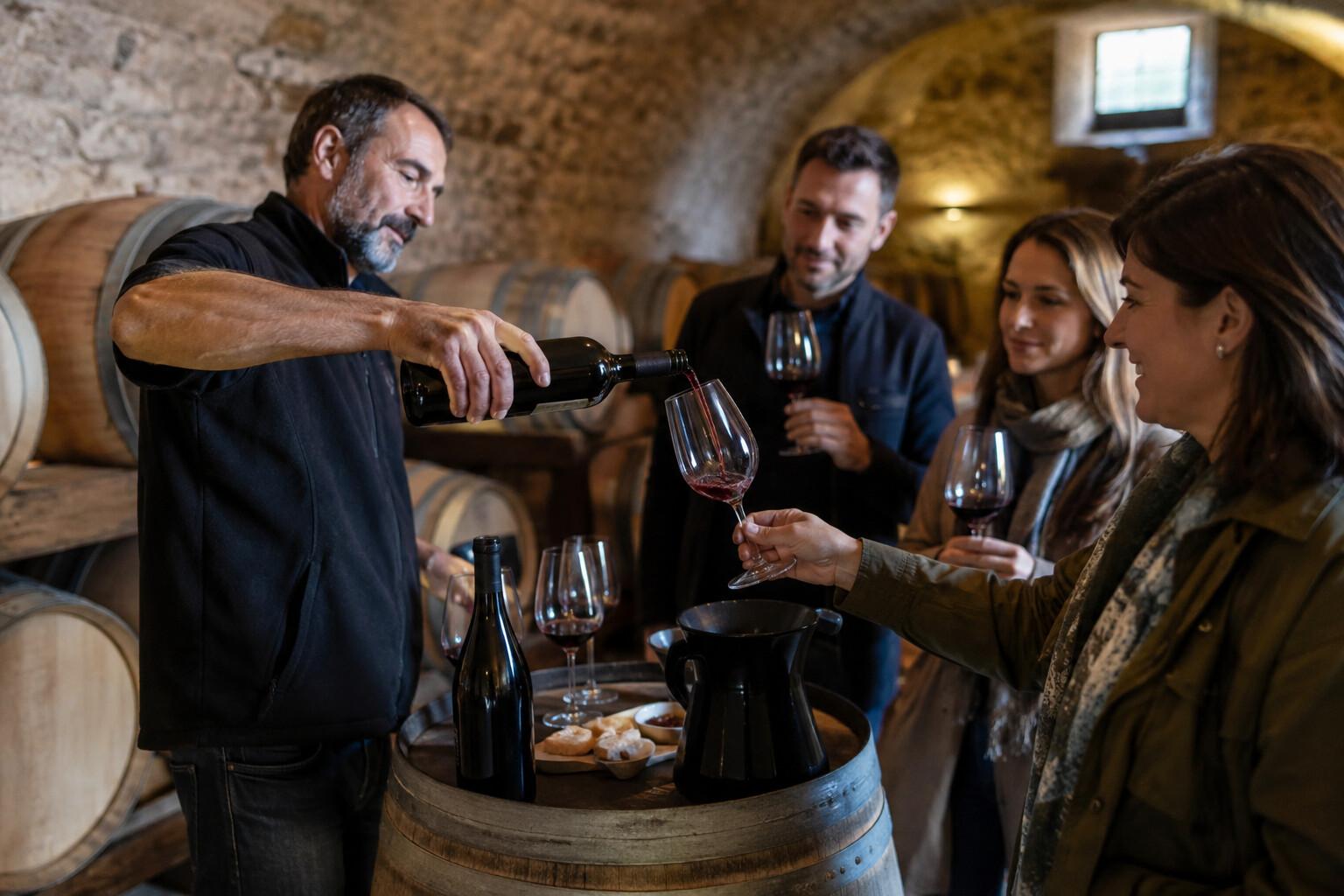
Build a Falset day around two confirmed doors
Falset is the practical base because it has accommodation, restaurants, and road connections. Reserve one morning cellar and one afternoon cellar no more than about thirty minutes apart. Leave ninety minutes for lunch and at least forty-five minutes between appointments; tastings run late when visitors ask useful questions.
Use an abstaining driver, booked local driver, or organized tour. Spitting is normal and responsible, but it does not turn repeated tastings into safe driving. Rural taxis require advance arrangement.
Compare a small rental car for reaching Falset only when one person will not drink. Check the excess, fuel policy, office hours, and whether the hotel has parking.
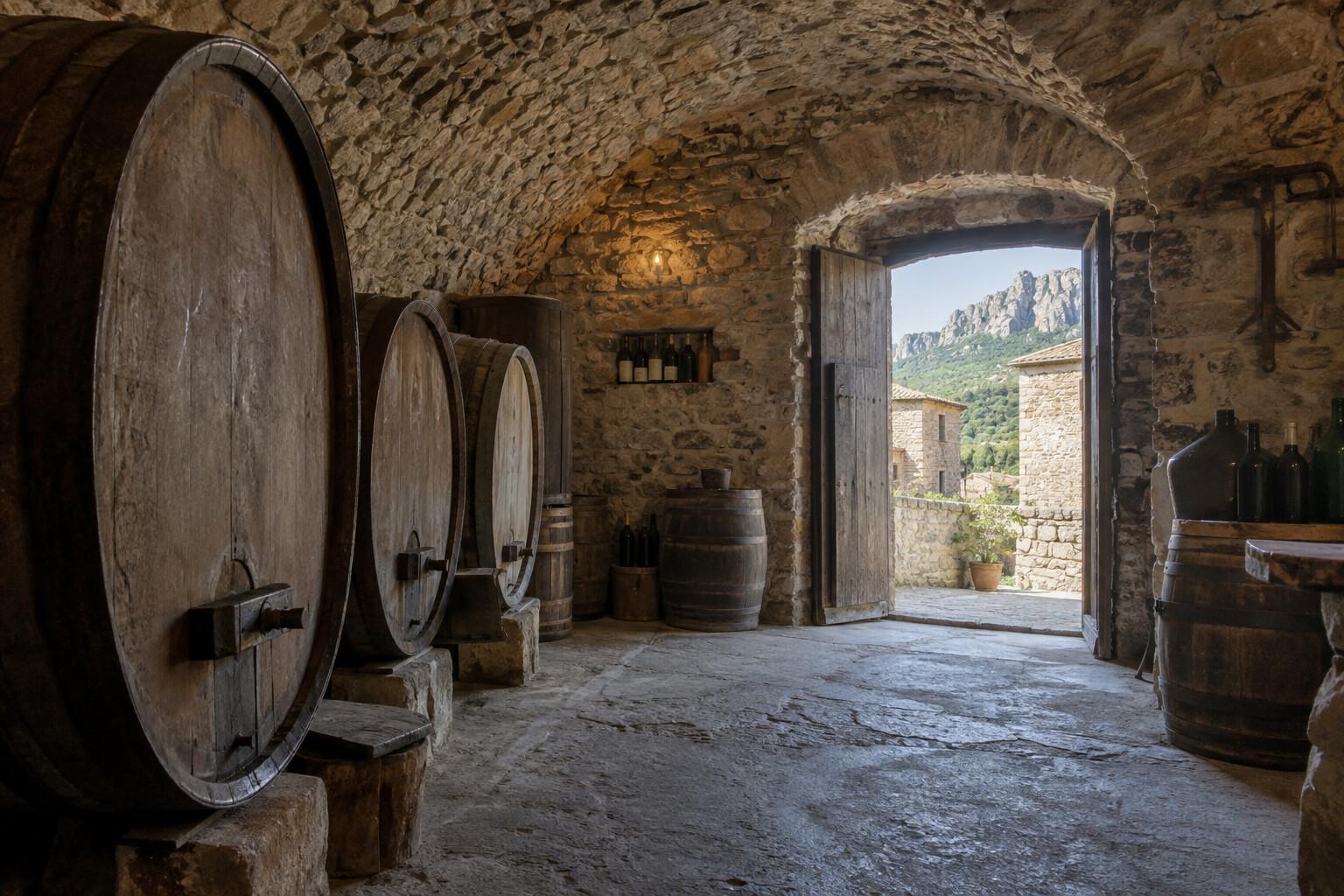
Taste from freshness toward structure
Start with a white or rosé if offered, continue through lighter garnatxa-led reds, and leave more concentrated or oak-aged wines for later. Take notes on acidity, tannin, fruit, herbal character, and texture rather than trying to invent poetic aromas. Ask what food the producer actually serves with the wine at home.
Budget €15–35 per person for a standard visit and tasting, more for vineyard access, older wines, or a private format. A bottle purchase may be separate. Two cellars, lunch, and a driver can place the day around €120–260 per person depending on group size and transport.
Lunch is part of the sober-return plan
Choose a restaurant near Falset or the afternoon appointment. Eat a real meal and drink water, but do not treat food as a device that cancels alcohol. If driving has not been solved before booking, reduce the plan to one tasting reached by transfer.
Shipping is useful only when the cellar explains cost, tax, breakage, and destination restrictions. Otherwise buy one or two bottles, protect them from heat, and pack them within the airline's rules.
When a cellar cancels
Keep the cooperative, a wine shop in Falset, or a village walk as the named substitute. Do not cold-call a series of producers from the roadside. In harvest season, a closed visitor door may reflect the work that makes the wine.
A strong first day compares two producers rather than collecting six pours at four addresses. Leave able to describe one garnatxa, one carinyena-led wine, and one way Montsant differs from the expectation you brought with you.
Related guides
- Terra Alta Wine Weekend: Gandesa and Batea Without Rush
A two-night Terra Alta wine plan linking Gandesa and Batea, with driver options, tasting costs, and summer heat strategy.
- Pla de Bages Wine Day from Manresa: Cellars and Dry Stone
A driver-safe Pla de Bages wine day pairing one cellar with dry-stone vineyard heritage and a Manresa base.
- Cava vs Corpinnat: Catalan Sparkling Wine Explained
Understand the terms on a Catalan sparkling-wine label, how Cava and Corpinnat differ, and what to ask before a tasting.
Are you in the know?
Receive new articles, local updates, and occasional offers from selected partners. We never share your email address. Unsubscribe at any time.
By subscribing you agree to our privacy policy.