Wine
Cava vs Corpinnat: Catalan Sparkling Wine Explained
Understand the terms on a Catalan sparkling-wine label before a cellar visit or tasting.
Cava and Corpinnat can sit beside each other on a Catalan wine list, look equally festive in the glass, and still represent different systems. The short version: Cava is a protected designation of origin; Corpinnat is a collective brand created by a group of Penedès producers with its own rules. Neither word is a simple synonym for “Catalan sparkling wine.”
You do not need to memorize a rulebook before a tasting. A few distinctions will help you read the label and ask better questions.
Compare Them in One Day
- Route: Barcelona Sants → Sant Sadurní d’Anoia by regional train → one prebooked Cava producer → lunch in town → one Corpinnat producer or specialist tasting → train back.
- Time: allow 8–10 hours from Barcelona; cellar visits usually take 75–120 minutes, and transfers between rural producers can consume an hour.
- Budget: plan €70–140 per person for return rail, two standard tastings, lunch, and local taxi transfers. A single cellar day can be done for roughly €40–80.
- Book: confirm each producer’s location, language, accessibility, tasting size, and cancellation policy. Not every Corpinnat cellar is walkable from Sant Sadurní station.
- Driving: use a designated driver who spits every sample, or hire a driver; two tastings are the maximum sensible plan.
Planning ranges checked August 2026. Verify member producers and rules on the Corpinnat and DO Cava official sites, then book directly with the chosen cellars.
What Is Cava?
Cava is a Spanish DO for sparkling wine made by the traditional method, meaning the second fermentation happens in the bottle. Although its historic center is in and around Sant Sadurní d’Anoia, the designation is not limited to one compact Catalan region.
The label may indicate ageing and quality categories. Those terms are useful, but they do not tell you everything about vineyard farming, house style, or the final balance of the wine.
What Is Corpinnat?
Corpinnat was formed by producers in the Penedès who left the Cava DO and established a separate collective mark. Its rules emphasize grapes from a defined area, organic farming, estate vinification, hand harvesting, and minimum ageing requirements.
That does not make every Corpinnat taste alike. Producer decisions, grape varieties, sites, and time on lees still create considerable variation.
Where Does Classic Penedès Fit?
You may also encounter Classic Penedès, sparkling wine within the DO Penedès framework. It has its own requirements and adds a third useful route through the region’s sparkling-wine landscape.
What Should You Look for on the Label?
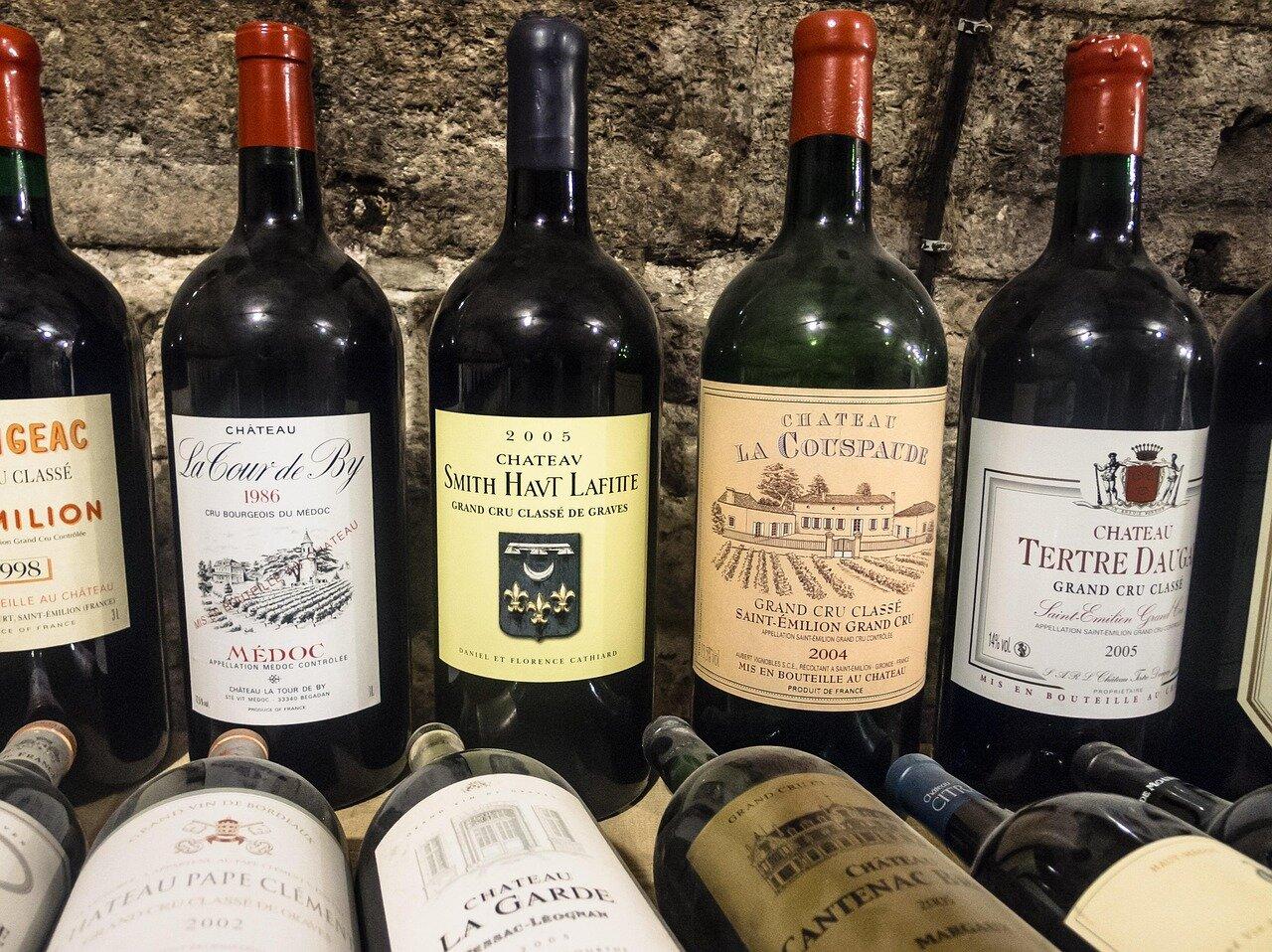
Start with the producer, origin, vintage, grape varieties, ageing statement, and sweetness level. Then ask what is not obvious: where the fruit came from, how the vineyards are farmed, and what the winemaker wanted the wine to do at the table.
How Should You Taste Them?
Try two wines side by side if the cellar or bar offers that option. Notice acidity, texture, bubbles, fruit, and savoury notes rather than searching for a “winner.” One may be brisk and aperitif-like; another may have the depth to accompany an entire meal.
Rules and memberships can evolve. Use current producer and designation sources when you need exact certification details; use the glass to understand style.
After working through Cava vs Corpinnat, continue with Catalan Wine Grapes: A Beginner’s Guide to What You’ll Taste for the closest complementary decision and a different itinerary.
Information checked August 2026 against the official or primary sources linked above.
Execution Checks for Cava vs Corpinnat
Choose the real venue for Cava vs Corpinnat before planning around the experience. Save its address, service or event window, and the local wording needed to ask for the relevant item. A named market, bar, winery, square, or cultural programme is more actionable than assuming the custom will be available everywhere.
Give Cava vs Corpinnat a deliberate order: observe first, ask or order second, and add optional purchases or another venue only after the central experience works. This avoids filling the schedule with loosely related stops and leaves room to follow local timing, service rhythm, and etiquette without rushing participants.
For Cava vs Corpinnat, protect allow 8–10 hours from Barcelona; cellar visits usually take 75–120 minutes, and transfers between rural producers can consume an hour in the calendar. Add separate buffers for finding the entrance, toilets or equipment, and the return connection; those transitions are rarely included in an advertised visit duration. Decide the latest acceptable start before leaving accommodation.
Plan comfort and access for Cava vs Corpinnat by checking expected standing, seating, crowd density, noise, smoke, and toilet access. These conditions affect children, older visitors, and sensory or mobility needs more than the headline duration. Choose an edge position or shorter session before discomfort forces an abrupt exit.
For a complementary decision after Cava vs Corpinnat, use Priorat Wine Guide: Tastings, Villages and Vineyards; its focus on Priorat Wine Guide extends the plan without repeating the same route.
Related guides
- Terra Alta Wine Weekend: Gandesa and Batea Without Rush
A two-night Terra Alta wine plan linking Gandesa and Batea, with driver options, tasting costs, and summer heat strategy.
- Pla de Bages Wine Day from Manresa: Cellars and Dry Stone
A driver-safe Pla de Bages wine day pairing one cellar with dry-stone vineyard heritage and a Manresa base.
- Catalan Wine Grapes: A Beginner’s Guide to What You’ll Taste
Meet the grapes behind Catalan wines, from Xarel·lo and Garnatxa to Cariñena and Macabeu.