Wine
Empordà Wine Route: A Relaxed Weekend of Vineyards and Coast
Plan a two-day Empordà wine weekend with advance bookings, a coastal base, and safe tasting logistics.
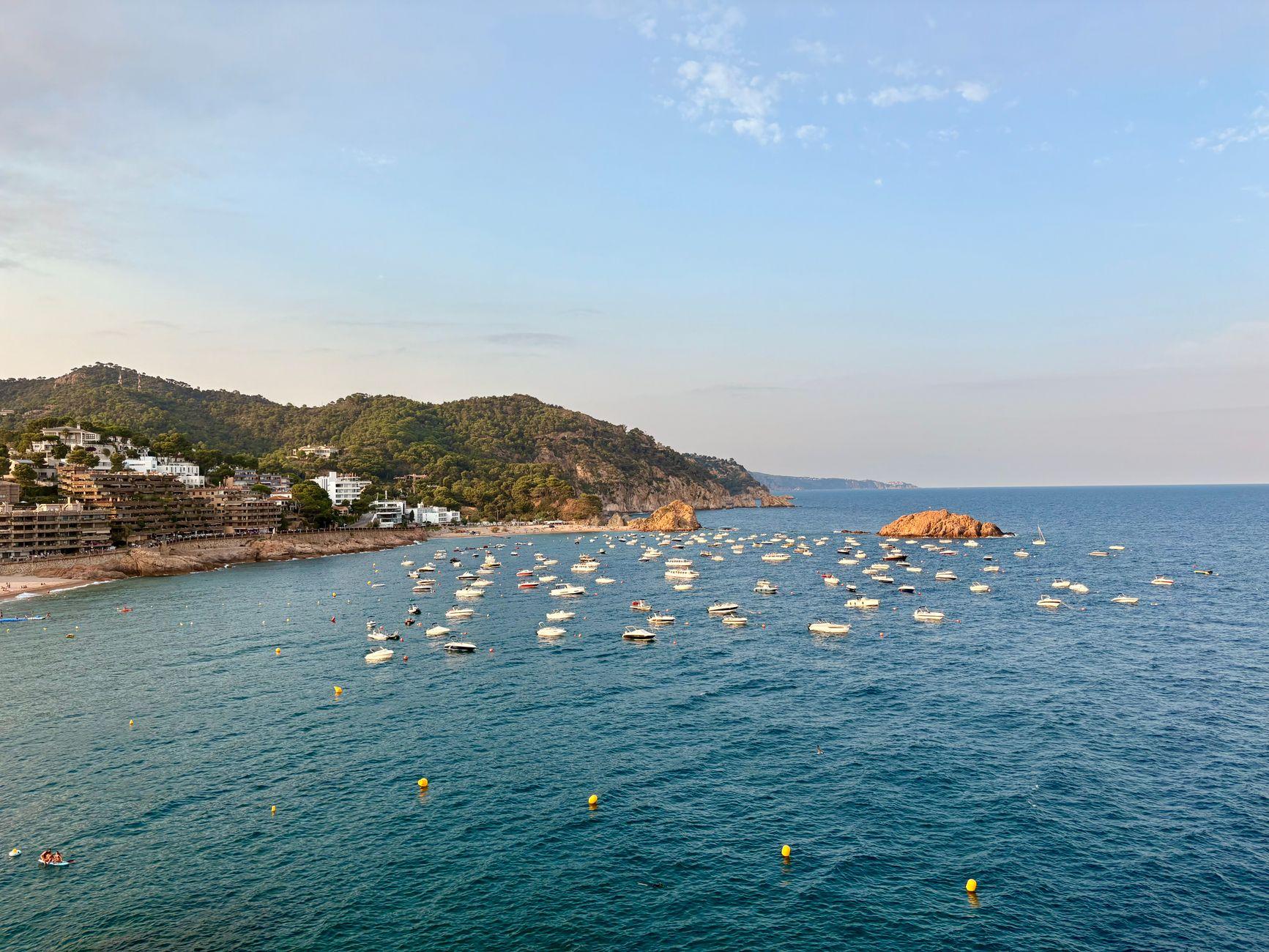
Empordà is made for a wine weekend with the windows down—provided the person driving is not tasting. Vineyards roll toward the foothills, the Tramuntana wind shapes the landscape, and the Costa Brava is close enough for a late-afternoon walk by the water.
Plan two winery visits over two days, not four. The empty space between appointments is where the region starts to feel like a trip rather than a sales route.
Route, Timing, and Budget
- Route: Figueres or Peralada base → one Capmany-area producer on day one → dinner and overnight → one Vilajuïga/Pau-area producer on day two → Llançà or Roses coast walk → return.
- Driving: allow 30–45 minutes between winery areas even when distances look short. Name one designated driver before booking or hire a local driver for the tasting window.
- Time: two nights is ideal; cellar visits normally take 60–120 minutes. Keep at least 90 minutes between the end of one appointment and the start of another.
- Budget: allow €220–420 per person for two shared-room nights, two standard tastings, ordinary meals, and shared transport. Current entry tastings often begin around €18–30; vineyard meals and private visits cost more.
- Book: reserve both cellars, Saturday dinner, and taxis/driver in advance; ask about language, food, steps, cancellation, and shipping before paying.
Planning ranges checked August 2026 against Empordà Turisme’s winery listings, where current experiences publish dates and booking contacts. Confirm every price directly.
Where Should You Base Yourself?
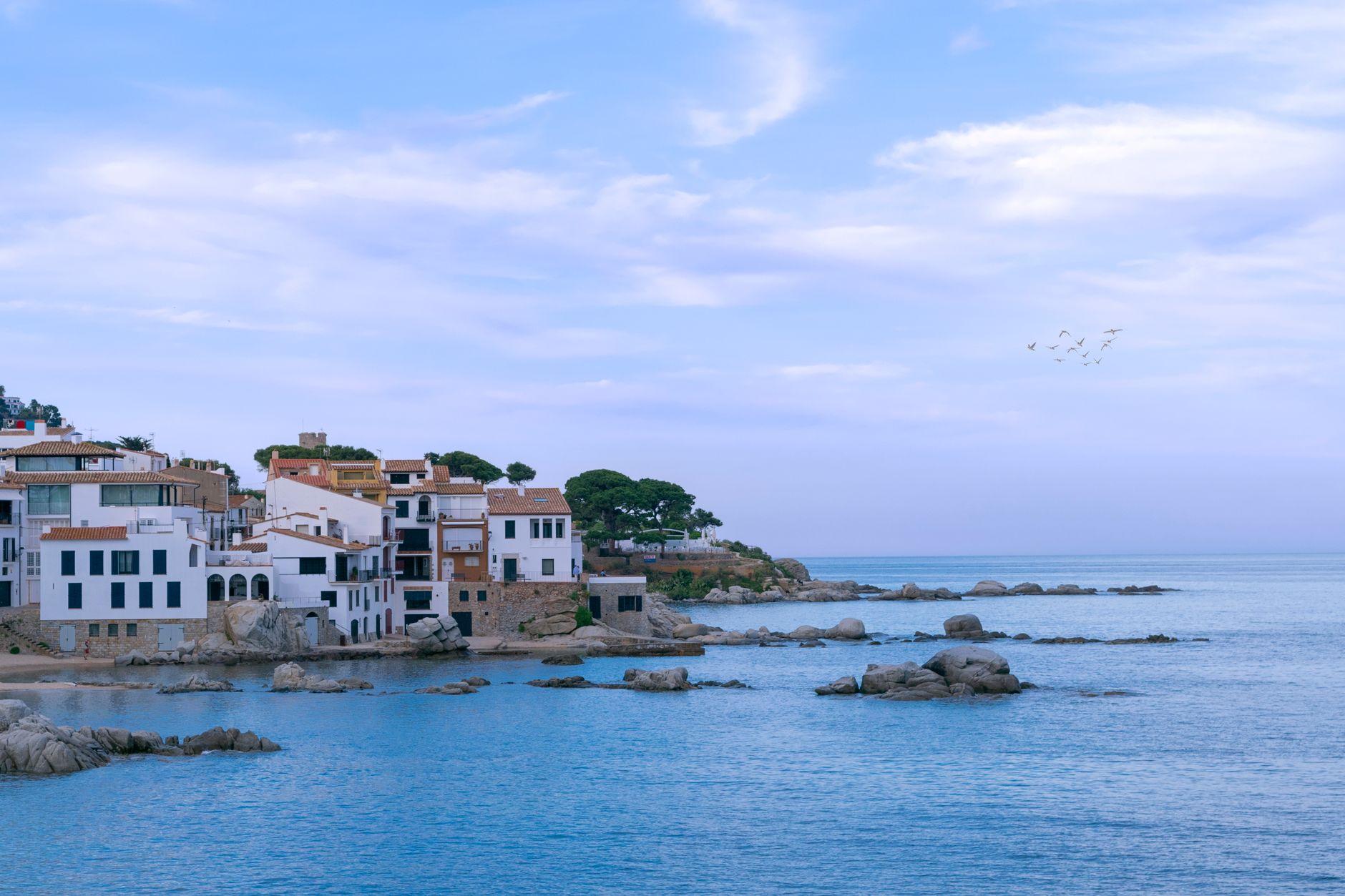
Figueres is practical for rail arrivals and services. Peralada and inland villages put you closer to vineyards, while Cadaqués or another coastal base adds atmosphere but also longer, winding drives. Choose based on the first appointment, dinner, and how much night driving you want—not simply the prettiest hotel photograph.
Day One: Arrive, Settle, Taste
Arrive by late morning and have lunch before your first tasting. Book a cellar that introduces the region through both its vineyards and wines. Ask about Garnatxa, Carinyena, local soils, and how the Tramuntana affects the vines.
Afterward, check into your base and stay there for dinner. A designated driver should remain alcohol-free; using spittoons is normal and sensible.
Day Two: A Contrasting Cellar and the Coast
Choose a second producer different in scale, location, or style. If day one focused on reds, look for whites, rosés, or the region’s traditional sweet wines. Keep the afternoon free for a medieval village, a coastal path, or a long lunch.
Do You Need a Car?
For independent visits, usually yes. Wineries can be far from stations and taxis are not something to improvise after a tasting. A local guide or pre-booked driver is the easiest option when everyone wants to participate fully.
What Should You Book?
Reserve cellar visits, Saturday dinner, and accommodation. Confirm the exact address and language of the tour. Small producers may welcome visitors only by appointment, especially during harvest or holidays.
Two well-chosen cellars will not explain all of Empordà. They will give you something better: a reason to notice how the wind, vines, villages, and sea belong to the same landscape.
After working through Empordà Wine Route, continue with Priorat Wine Weekend: A Two-Day Itinerary for the closest complementary decision and a different itinerary.
Information checked August 2026 against the official or primary sources linked above.
Execution Checks for Empordà Wine Route
Choose the real venue for Empordà Wine Route before planning around the experience. Save its address, service or event window, and the local wording needed to ask for the relevant item. A named market, bar, winery, square, or cultural programme is more actionable than assuming the custom will be available everywhere.
Give Empordà Wine Route a deliberate order: observe first, ask or order second, and add optional purchases or another venue only after the central experience works. This avoids filling the schedule with loosely related stops and leaves room to follow local timing, service rhythm, and etiquette without rushing participants.
For Empordà Wine Route, protect two nights is ideal; cellar visits normally take 60–120 minutes. Keep at least 90 minutes between the end of one appointment and the start of another in the calendar. Add separate buffers for finding the entrance, toilets or equipment, and the return connection; those transitions are rarely included in an advertised visit duration. Decide the latest acceptable start before leaving accommodation.
Plan comfort and access for Empordà Wine Route by checking expected standing, seating, crowd density, noise, smoke, and toilet access. These conditions affect children, older visitors, and sensory or mobility needs more than the headline duration. Choose an edge position or shorter session before discomfort forces an abrupt exit.
For Empordà Wine Route, distinguish the cost of observing from the cost of ordering, tasting, joining, or buying something to take away. Check minimum orders, set menus, supplements, and whether the quoted amount is per person. This keeps participation voluntary and avoids treating spending as a requirement for cultural access.
Confirm whether Empordà Wine Route needs a reservation, ticket, table, tour language, or simply arrival during the correct public window. Ask what is included and whether participation has an age, dress, dietary, or conduct requirement. Save the reply so etiquette and access do not depend on assumptions at the venue.
For Empordà Wine Route, verify the official source again shortly before travel even when the article’s checked date is recent. Record the opening or departure used for the plan; seasonal timetables and one-off closures can invalidate an otherwise accurate sequence.
Agree the fallback while the preferred version of Empordà Wine Route is still available. Define the trigger—weather, sell-out, delay, access problem, or fatigue—and the time at which the group switches plans. A fallback decided early protects both money and the return journey.
Keep one meal, rest, or unstructured interval outside the timed chain. It absorbs queues and gives the group a place to reassess Empordà Wine Route without sacrificing the booking or transport leg that matters most.
For a complementary decision after Empordà Wine Route, use Penedès Wine Day Trip from Barcelona: A Practical Tasting Itinerary; its focus on Penedès Wine Day Trip from Barcelona extends the plan without repeating the same route.
Related guides
- Priorat Wine Weekend: A Two-Day Itinerary
A practical two-day Priorat itinerary built around appointments, mountain roads, and an overnight village stay.
- Penedès Wine Day Trip from Barcelona: A Practical Tasting Itinerary
Build a relaxed Penedès wine day from Barcelona with advance bookings, sparkling-wine context, transport choices, and time for a proper lunch.
- Terra Alta Wine Weekend: Gandesa and Batea Without Rush
A two-night Terra Alta wine plan linking Gandesa and Batea, with driver options, tasting costs, and summer heat strategy.