Wine
DO Tarragona Wines: Styles, Cellars and a First Tasting Day
Understand DO Tarragona through a Nulles cellar visit and Valls lunch, with tasting choices, current admission and a complete transport plan.
DO Tarragona is not a postcode. It is a specific appellation, and it is not the one people usually mean when they say "wine from Tarragona" — Priorat, Montsant and Terra Alta all sit inside the same province with their own rules and their own reputations. Tarragona's own DO is older than any of them, historically better known for sweet and fortified wines than for the dry reds and whites that now dominate its bottling, and a good first tasting day should leave you able to explain that difference to somebody else.
One cellar does it. Nulles, in the Alt Camp, is twenty-five minutes inland from the city and holds one of the finest cooperative wineries in Catalonia.
One-cellar day: Tarragona → the Modernista winery at Nulles → lunch in Valls → Tarragona. Six to seven hours, with roughly 25–35 minutes driving to Nulles and another 15–20 to Valls. The published standard cellar-and-tasting visit is €16 per person in Catalan or Spanish; add €25–40 for lunch and a separately quoted transfer. Reserve the cellar first, then settle the abstaining driver or paid transport before anybody chooses wines.
What the appellation actually covers
The DO Tarragona wine-tourism introduction spreads its producers across several areas, including the Camp de Tarragona and the Ribera d'Ebre. That is a large and discontinuous territory, which is precisely why a single day belongs in one cluster of villages rather than strung out across the map.
The question worth asking at the tasting is which of the wines in front of you carry DO Tarragona and which carry something else. Cooperatives here routinely make cava as well, under an entirely separate appellation, and sharing a building, a grower and a brand name does not make a sparkling wine a DO Tarragona still wine. A host who draws that line clearly is a host worth listening to for the rest of the hour.
Ask for a white and a red under the DO, then a wine the host considers particular to Nulles. Macabeu, Xarel·lo, Garnatxa and Ull de Llebre do most of the work around here; ask which is in the glass and what the ageing regime was. If a sweet or fortified wine appears — the style that made this appellation's name a century ago, when Tarragona was shipped by the barrel to northern Europe — ask how it was made and how small a serving is normal. It is not a dessert-sized pour.
Find the producer and appellation on the back label yourself, with the host pointing. Two minutes of that is worth more than a leaflet.
Nulles is a working cellar inside a cathedral
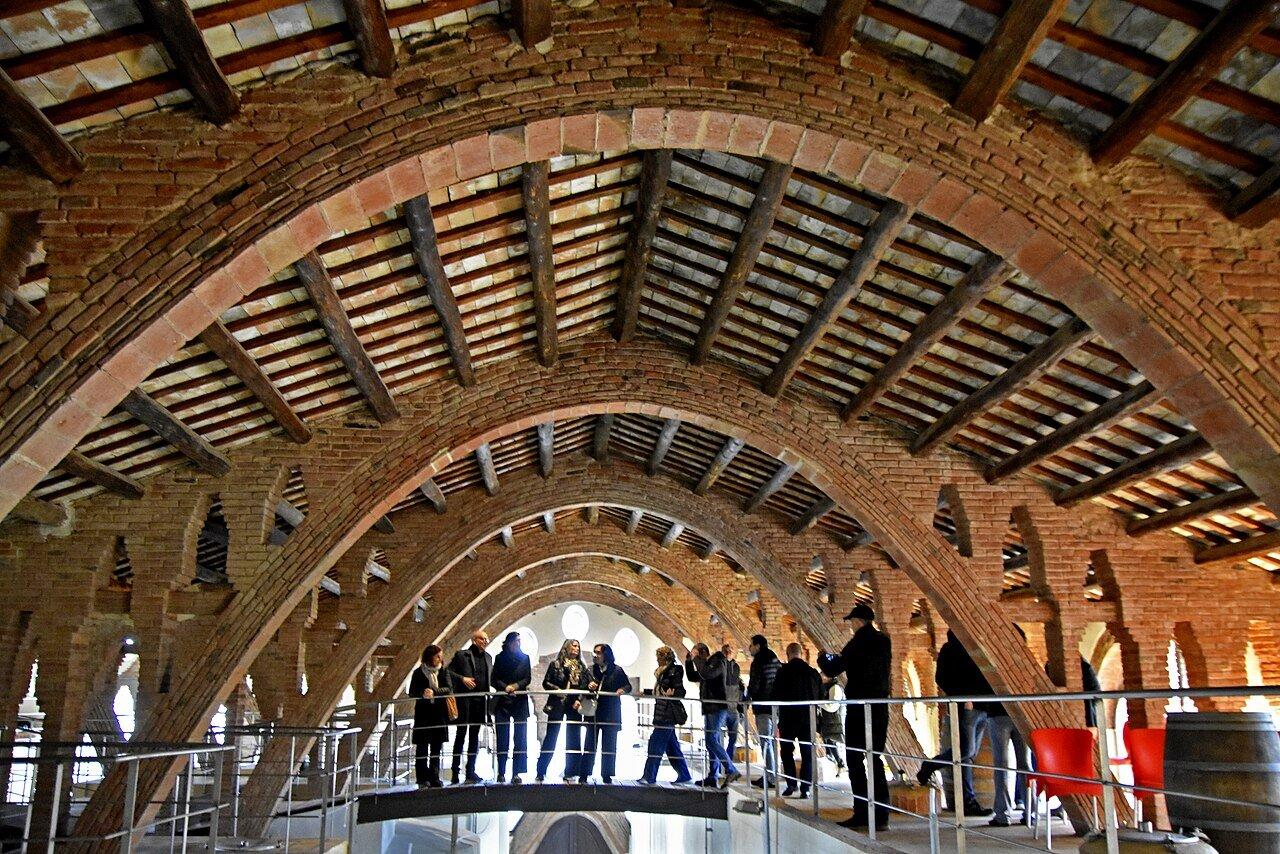
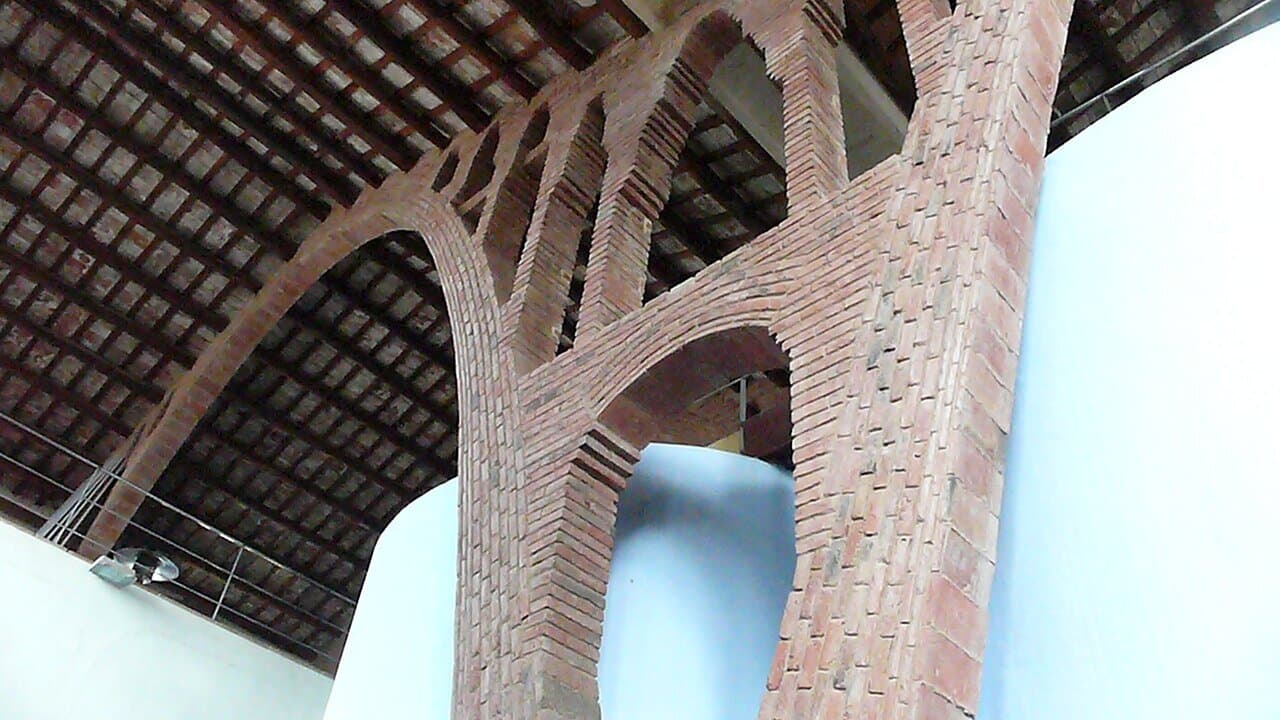
The cooperative at Nulles is one of the catedrals del vi: the great brick agricultural cooperatives built across Catalonia in the years around 1920, designed here by Cèsar Martinell, who had studied under Gaudí. The council's account introduces the building and its wine-tourism visits. Inside, the parabolic brick arches march the length of the hall above the tanks, and the whole thing was engineered to keep wine cool and move fruit efficiently — the beauty is a by-product of the agronomy, which is what makes it moving rather than merely decorative.
Book the Adernats Catedral del Vi visit with tasting for your date. The operator lists €16 for the Catalan and Spanish versions; confirm duration, the wines included and any concession directly, and ask specifically about an English departure rather than assuming every session is multilingual.
Allow 75–90 minutes for visit and tasting, plus time to buy. The visitor entrance is the cellar and vinoteca at Estació s/n in Nulles, which is not the cooperative's office or production address — keep the confirmation's meeting point saved offline and arrive about fifteen minutes early.
If steps, uneven floors or standing through a tasting are difficult, ask about the route and seating before paying; a small group does not imply step-free. Families should check how children and non-drinkers are handled, and whether everyone joins the same production tour.
Pick a format that still leaves room for lunch
The Adernats experience collection includes vineyard walks and food-pairing formats. Either is a good use of a morning for someone who wants more time outdoors or a fuller guided comparison — but both change the day's length and its food budget. Booking a substantial pairing and then a long Valls lunch is how a tasting day turns into an afternoon of regret.
Work through small pours with water in between, and use the spittoon. The designated driver abstains, and the non-drinking option is something to arrange at the time of booking.
Decide how bottles are getting home before you buy them. Ask about delivery, destination and total charge if the producer ships. In a car, keep the case out of a hot boot — a summer afternoon in the Camp will cook wine in a couple of hours. Flying home means checked luggage and proper packaging, priced before the purchase rather than after.
Valls, Plaça del Blat, and an hour at the table
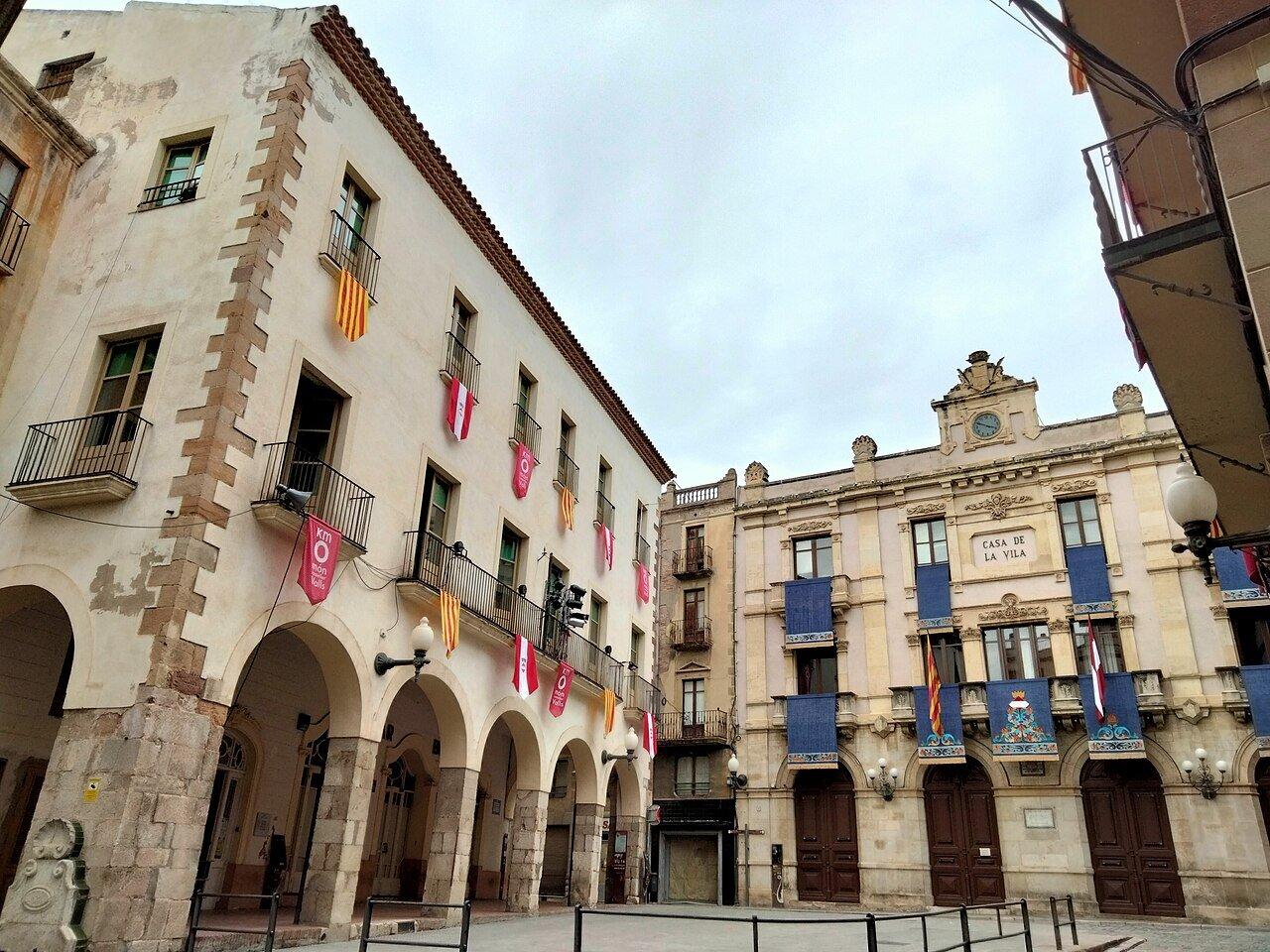
Valls is fifteen minutes away and changes the scenery without adding a real transfer. Park in a permitted area, walk in towards Plaça del Blat — the arcaded square where the town's castellers have raised human towers for two centuries — and give lunch an hour at least. The short walk afterwards resets everyone before the drive back.
Reserve at weekends and ask what is actually in season. Calçots are a winter and early-spring thing; if a calçotada is the reason you came, check the season and the menu before you fix the date rather than arriving in July to be disappointed. Otherwise a straightforward local lunch is exactly right after a tasting.
Treat the €25–40 as per person and check it against the menu, particularly where drinks are extra. If the cellar visit overruns, call the restaurant. Nobody should be making up time on the C-51.
With an abstaining driver, compare car hire in Tarragona against the full transfer quote, adding rental, fuel and parking before deciding which way round works for your group.
Without a car, price the whole loop first
Get a taxi or private-transfer quote covering Tarragona–Nulles–Valls–Tarragona including waiting time and any separate pickups. A railway station in the general vicinity of a winery does not make a tasting itinerary; check Rodalies de Catalunya if you want to try, then hold the actual services against the appointment and the restaurant's hours before committing.
If Nulles is booked out, look for another confirmed DO Tarragona visit in the same corner of the Camp. Failing that, keep lunch in Tarragona, order a bottle whose label you can now read properly, and save the cathedral for a date when it is open.
Related guides
- Trepat in Conca de Barberà: A Tasting Guide and Cellar Day
Explore Trepat through a compact Conca de Barberà day from Montblanc, with a Pira cellar appointment, tasting questions and transport planning.
- Costers del Segre: A Wine Day from Lleida
Build a compact Costers del Segre tasting day around Lleida and Raimat, with cellar bookings, transport choices and a sober return.
- Terra Alta Wine Weekend: Gandesa and Batea Without Rush
A two-night Terra Alta wine plan linking Gandesa and Batea, with driver options, tasting costs, and summer heat strategy.
Are you in the know?
Receive new articles, local updates, and occasional offers from selected partners. We never share your email address. Unsubscribe at any time.
By subscribing you agree to our privacy policy.