Wine
Priorat Wine Guide: Tastings, Villages and Vineyards
A first-time guide to Priorat wine country: its slate soils, mountain villages, tasting etiquette, designated driver planning, and unhurried stays.
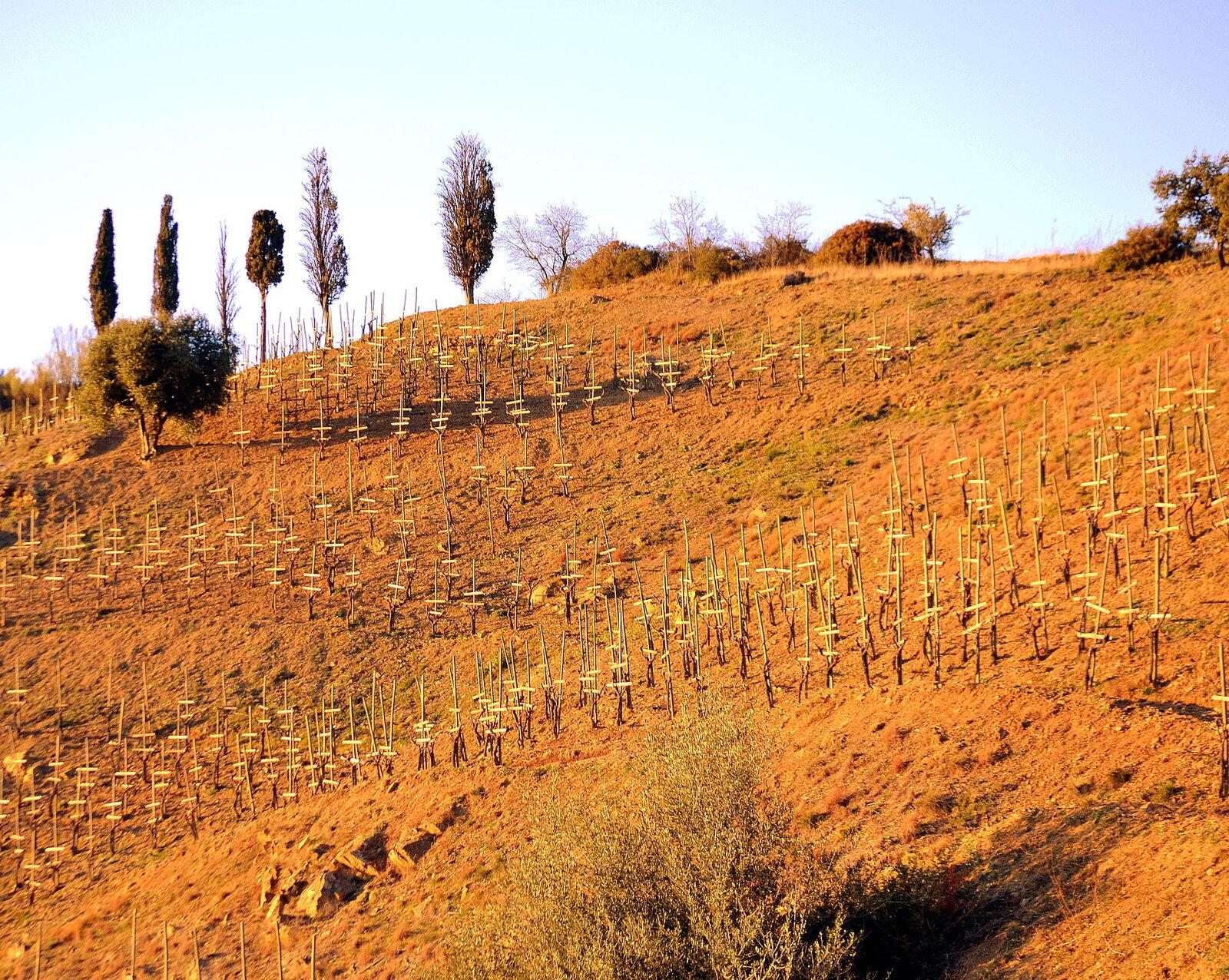
Priorat announces itself through the road: tight bends, dark slate flashing on the slopes, and vineyard terraces placed where farming hardly seems possible. The wines can be powerful, but the region is more varied than its reputation for concentrated reds suggests.
For a first visit, stay two nights and book no more than two cellars in a day. Give the same attention to the villages, llicorella soil, and the person explaining the vineyard as you give to the labels in the glass.
Plan at a Glance
- Route: Falset base → Gratallops/Torroja producer → village lunch → Scala Dei landscape stop → overnight → Porrera-area producer → return. Keep each day to one side of the region.
- Driving: mountain roads are slow; 20 km can take 35–45 minutes. Appoint a non-drinking driver or book a licensed guide before reserving cellars.
- Time: two nights / three days; one or two appointments per day, each typically 75–120 minutes.
- Budget: allow €250–500 per person for two shared-room nights, two or three tastings, meals, and shared transport. Standard visits often fall around €20–45; vineyard, old-vintage, or private visits cost more.
- Book: many DOQ Priorat cellars accept visitors only by prior appointment. Confirm language, meeting point, stairs, cancellation, number of wines, and shipping.
Planning ranges checked August 2026. Find visitable producers through the DOQ Priorat council and Priorat Enoturisme, then verify prices directly.
Start with the Landscape
The name llicorella refers to the slate that is fundamental to Priorat’s soils. Broken fragments of it cover the ground between vines and help create the area’s distinct visual character.
The hills are steep, and the roads often follow their contours. Views are part of every drive, but the terrain also explains why viticulture here can be labor-intensive. Take care at viewpoints and never enter a vineyard without permission.
Know the Difference Between Priorat and Montsant
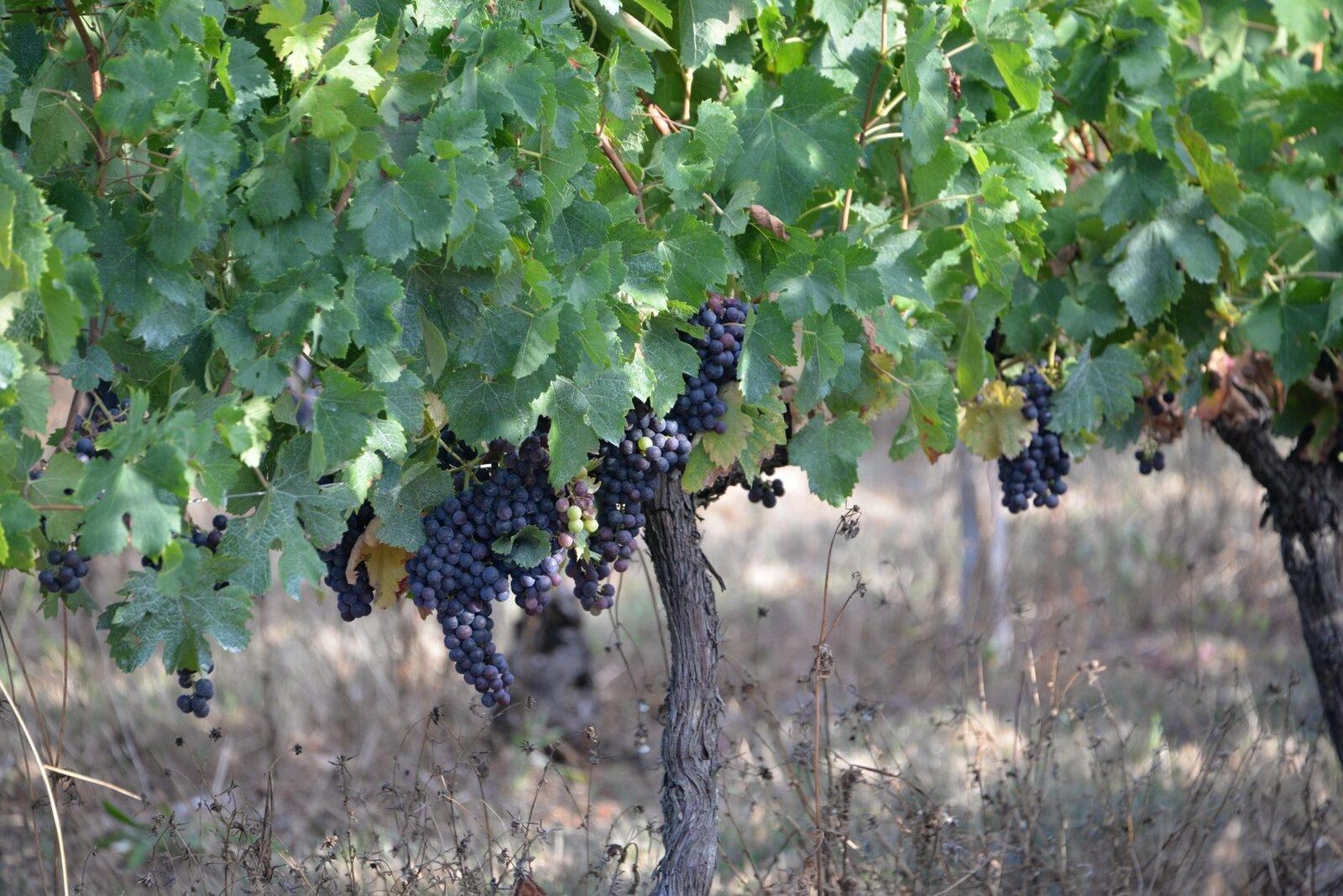
The Priorat area includes two important appellations: DOQ Priorat and DO Montsant. They overlap geographically in the broad sense of a wine-country journey, but they are distinct designations with different rules, soils, producers, and styles.
Do not treat the labels as interchangeable. Ask your host which wines you are tasting and what they want you to notice. That simple question makes a visit more informative than memorizing classifications beforehand.
Book Cellar Visits in Advance
Many wineries are small working businesses rather than walk-in tasting rooms. Reservations are often essential, and some visits are offered only on specific days or in particular languages.
When booking, state your group size, language preference, transport plan, and any dietary or mobility needs. Confirm the exact meeting point: a winery may be outside the village named in its address. If plans change, cancel promptly.
Taste with a Plan
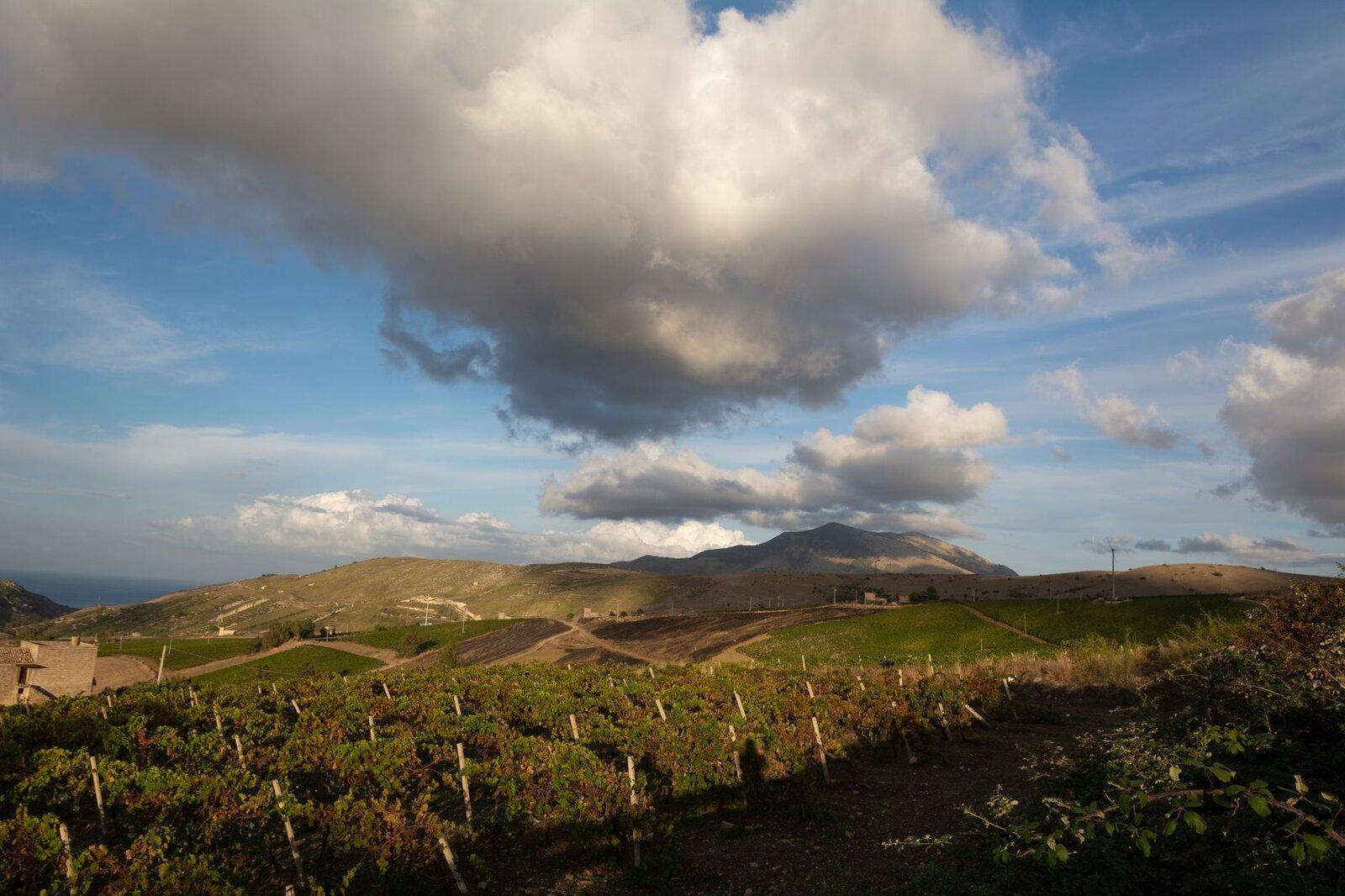
Two thoughtfully chosen visits in one day are normally enough. Leave time to drive, eat, and reset your palate. Spitting is normal at professional and visitor tastings, particularly if you are driving.
Ask about grape varieties, elevation, vine age, farming choices, and the story behind a specific bottling. Buy wine because you enjoy it, not because you feel obliged after a generous visit. Check airline and customs rules if you plan to take bottles home.
Stay in a Village
Gratallops, Porrera, Poboleda, Torroja del Priorat, and other villages make appealing bases. Each is small, so availability can be limited. An overnight stay turns a tasting day into a regional experience and reduces the pressure to drive back immediately.
Compare Priorat village hotels before locking cellar appointments, then confirm dinner hours and parking for the exact village you choose.
Reserve dinner as well as accommodation if visiting on a weekend or in high season. Rural dining schedules can be less flexible than in a city.
Drive Safely
A car offers the most flexibility, but wine touring and narrow mountain roads demand a conservative plan. Appoint a designated driver, hire a local guide, or build a day around a single accessible village. Do not underestimate the effect of several small pours.
The region’s roads are beautiful but not fast. Avoid driving tired after dark, especially if you are unfamiliar with the terrain.
When to Go
Spring and autumn are excellent for walking among the villages and seeing changing vineyard colors. Summer can be hot, while harvest time is exciting but busy and not always ideal for visits. Always check directly with wineries for current availability.
Priorat is not a checklist of famous labels. It is a landscape to read through the glass, one appointment and one hillside at a time.
After working through Priorat Wine Guide, continue with Cava vs Corpinnat: Catalan Sparkling Wine Explained for the closest complementary decision and a different itinerary.
Information checked August 2026 against the official or primary sources linked above.
For a complementary decision after Priorat Wine Guide, use Alella Wine Tasting from Barcelona: Train Plus Taxi Plan; its focus on Alella Wine Tasting from Barcelona extends the plan without repeating the same route.
Related guides
- Terra Alta Wine Weekend: Gandesa and Batea Without Rush
A two-night Terra Alta wine plan linking Gandesa and Batea, with driver options, tasting costs, and summer heat strategy.
- Pla de Bages Wine Day from Manresa: Cellars and Dry Stone
A driver-safe Pla de Bages wine day pairing one cellar with dry-stone vineyard heritage and a Manresa base.
- Cava vs Corpinnat: Catalan Sparkling Wine Explained
Understand the terms on a Catalan sparkling-wine label before a cellar visit or tasting.