Wine
Costers del Segre: A Wine Day from Lleida
Build a compact Costers del Segre tasting day around Lleida and Raimat, with cellar bookings, transport choices and a sober return.
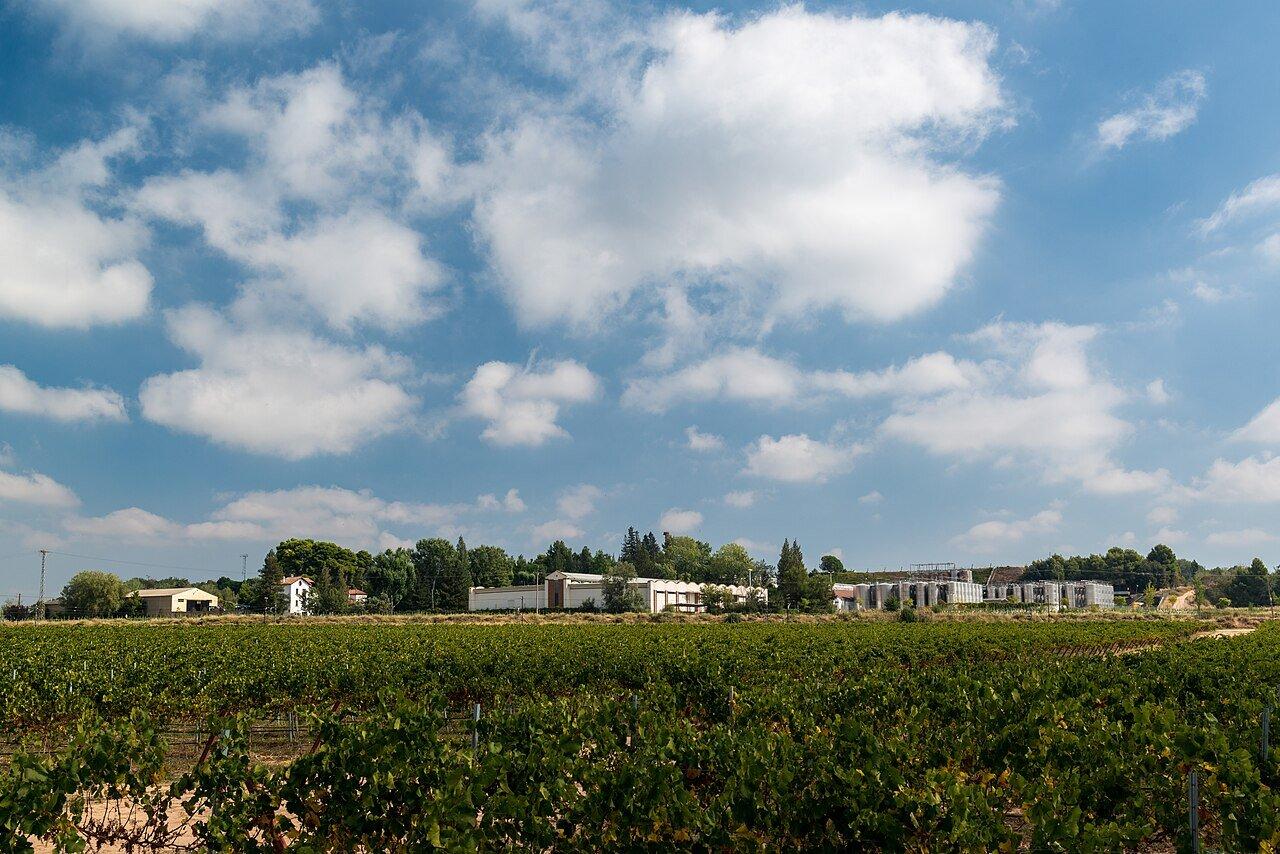
Costers del Segre is the least coastal of Catalonia's appellations and it tastes like it. Away from the sea, the Segrià summers are hot and dry, the winters are properly cold, and the gap between a August afternoon and the following dawn can run to fifteen or twenty degrees. That swing is what keeps acidity in grapes that would otherwise bake, and it is the single most useful thing to have in your head before the first glass is poured.
The appellation is also scattered — seven subzones between the city and the Pyrenean foothills — which makes it tempting to plan a circuit. Don't. For a first visit, stay near Lleida: a morning at Raimat, about 16 kilometres out, and lunch back in the city gives you time for the cellar and the wine.
- Start and finish: Lleida, ideally near Lleida-Pirineus station.
- Main appointment: A booked visit at Raimat.
- Time: 5–6 hours including transfers and lunch.
- Transport: A reserved return taxi, or a driver who is not drinking.
- Budget: €80–140 per adult for two people sharing transport, excluding rail travel — an allowance covering transport, one tasting and lunch rather than a package price.
- Book first: The cellar visit, its language, and the return pickup.
Why one subzone beats a seven-subzone circuit
The Costers del Segre regulatory council sets out a denomination distributed across seven separate territories. It is worth understanding why: this DO was assembled from pockets of viticulture that survived in a province where most agriculture went to fruit, so the same label covers vineyards at 200 metres near the Segre and others high in the Pallars at more than double that altitude. Two bottles with identical DO text on the back can come from completely different climates.
That is an argument for asking questions at one cellar, not for driving between four. At Raimat, ask where the fruit in each bottle was grown and how the estate handles water — this is a landscape that only became viable for vines once canal irrigation reached it in the early twentieth century, and the history is legible in the way the vineyards are laid out.
The wider Lleida Wine Route covers producers, villages and parts of the province well beyond a day's reach. Use it to design an overnight extension later, particularly if a Pallars producer is the real draw. Bolting that onto a Lleida morning gives you four hours in a car and one rushed tasting.
Book Raimat as an appointment, not a shop visit
The producer's Raimat visit listing introduces the cellar experience; book directly for your date and language, and get the confirmation before you arrange any transfer. Allow 90–120 minutes as a planning window for the visit, then adjust to whatever duration your confirmation states.
Take a morning slot so lunch can happen back in Lleida. During harvest the working areas take priority and can reroute the tour, so if walking in the vineyard matters to you, say so when booking rather than hoping.
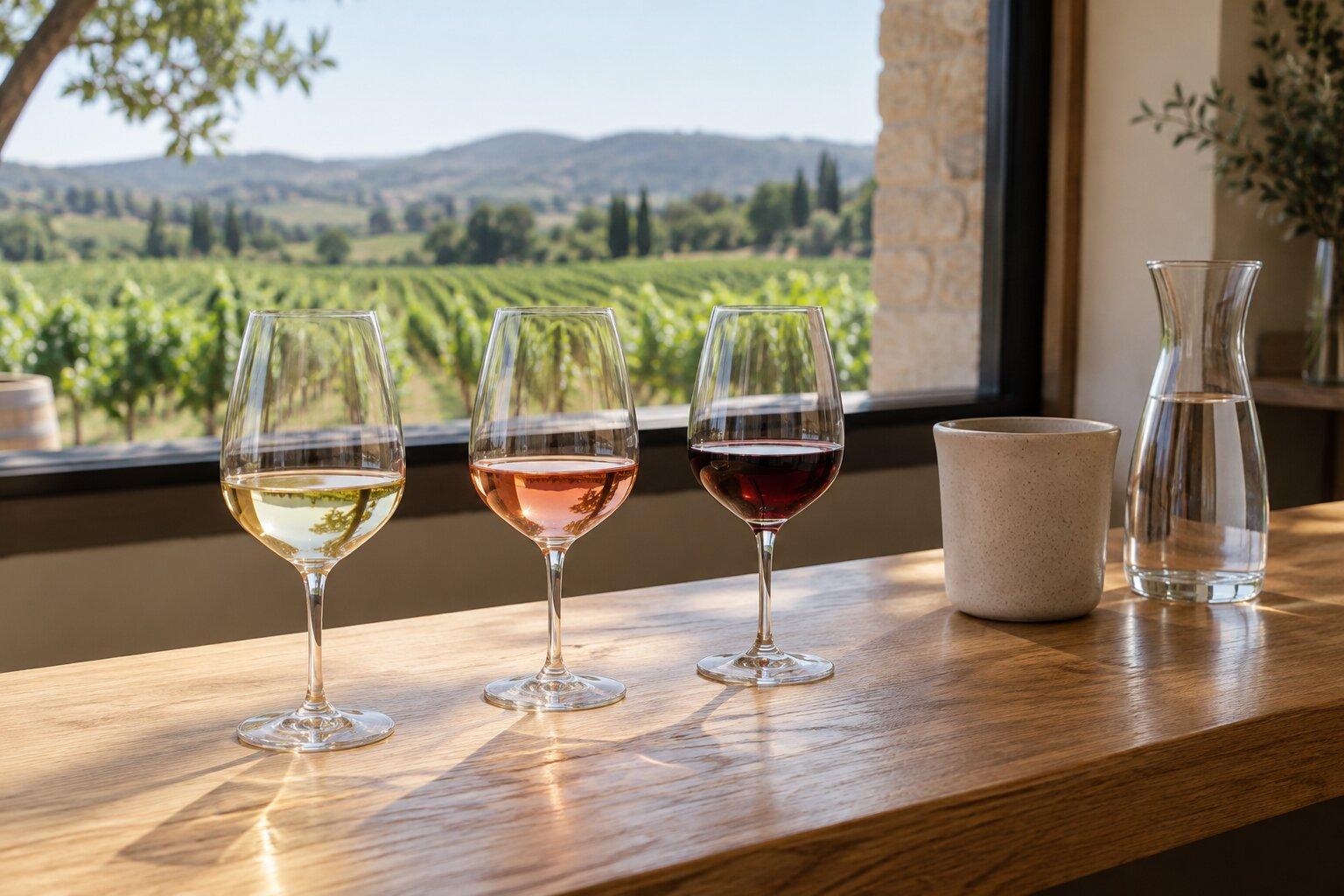
Ask which wines are poured — Raimat makes both still and sparkling — and whether your booking covers the cellar, the vineyards or only the tasting room. That distinction tells you more about what you are buying than the name printed on the package.
If stairs, gravel or long standing sections are a problem, describe the specific need when you book. "Accessible winery" frequently means the shop and reception while the production route stays difficult, and the people running the visit can tell you which parts work.
The driver needs a return time before you leave
From central Lleida, allow 25–35 minutes each way by road, plus a margin at pickup. When you ask for a quote, be explicit about whether you want a return transfer or a car waiting at the estate; those are different products at different prices.
For two adults, hold €60–100 per vehicle as an opening return-transport allowance and replace it with a written quote. A modest tasting fee does not make the day cheap if the transport is improvised, and no taxi is going to be idling outside a winery in the middle of the Segrià when your tasting finishes.
Coming by rail from Barcelona, leave a generous gap between arrival and the appointment. Lleida-Pirineus is the obvious meeting point because it gives the driver an unambiguous address. If the train runs late, phone the winery — do not ask the driver to make up time.
Whoever drives abstains, and that needs arranging rather than assuming. Ask the host what a non-drinking participant gets and whether it changes the ticket price. Spitting keeps your palate working across six pours, but it is a tasting technique, not a licence to drive afterwards.
For the rail approach, compare Barcelona–Lleida trains around the confirmed appointment, leaving time to meet the driver at Lleida-Pirineus.
Read the label, then the glass
Start each wine with the back label: denomination, producer, vintage. Then work through two questions that do most of the heavy lifting — which grape is carrying the wine, and whether it has seen oak. In this DO you will meet both international varieties, planted heavily here since the 1980s, and Catalan ones, and the contrast is genuinely instructive.
Say what you notice in plain language: fresh, full, dry, tannic, warm. Drink water between wines, use the spittoon without embarrassment, and resist the idea that finishing every pour is politeness.
If you want to buy, settle the logistics before the bottles are on the counter: individual prices, mixed-case rates, whether the producer ships, to where, and at what cost. Wine cannot go through airport security in cabin baggage, and a case bought on impulse at eleven in the morning becomes a problem at four in the afternoon.
Lunch back in the city, with time to spare
Allow €20–35 a head for a straightforward Lleida lunch, more for a tasting menu or serious wine. Book the table for after the return transfer, not before it — otherwise the visit ends early to satisfy a reservation you made on optimistic assumptions about rural driving.
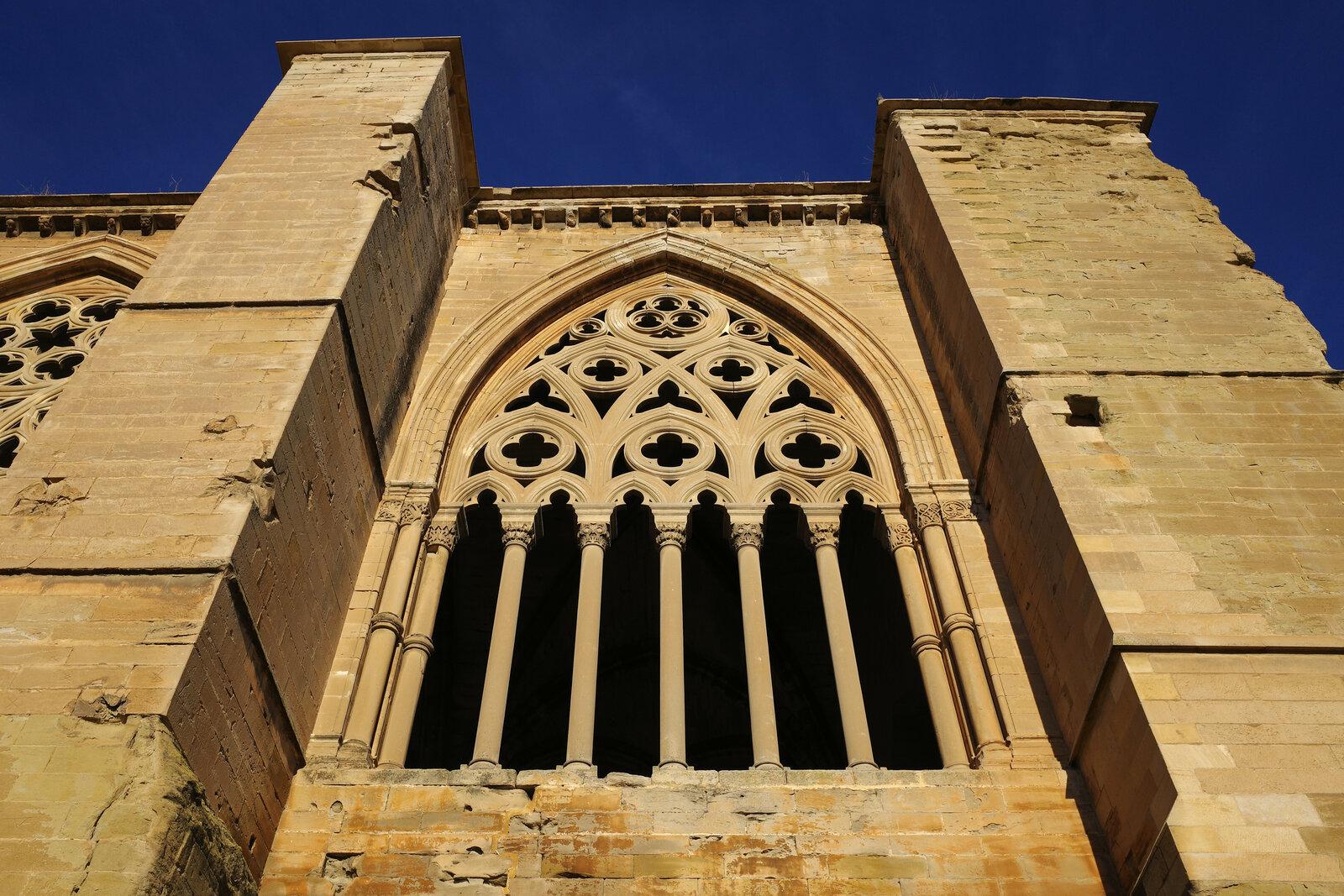
If Raimat has no availability, use the DO directory to find another confirmed appointment close to the city rather than reaching for a distant one. And if nothing is bookable at all, keep the day in Lleida, walk up to the Seu Vella for the view over the plain you have been reading about, and order a Costers del Segre bottle at lunch. You will still learn something.
Related guides
- DO Tarragona Wines: Styles, Cellars and a First Tasting Day
Understand DO Tarragona through a Nulles cellar visit and Valls lunch, with tasting choices, current admission and a complete transport plan.
- Trepat in Conca de Barberà: A Tasting Guide and Cellar Day
Explore Trepat through a compact Conca de Barberà day from Montblanc, with a Pira cellar appointment, tasting questions and transport planning.
- Terra Alta Wine Weekend: Gandesa and Batea Without Rush
A two-night Terra Alta wine plan linking Gandesa and Batea, with driver options, tasting costs, and summer heat strategy.
Are you in the know?
Receive new articles, local updates, and occasional offers from selected partners. We never share your email address. Unsubscribe at any time.
By subscribing you agree to our privacy policy.