Wine
DO Penedès Beyond Cava: How to Read Still-Wine Labels
Separate appellation, grape and cellar technique on a Penedès label, then choose a useful three-bottle flight of the region's still wines.
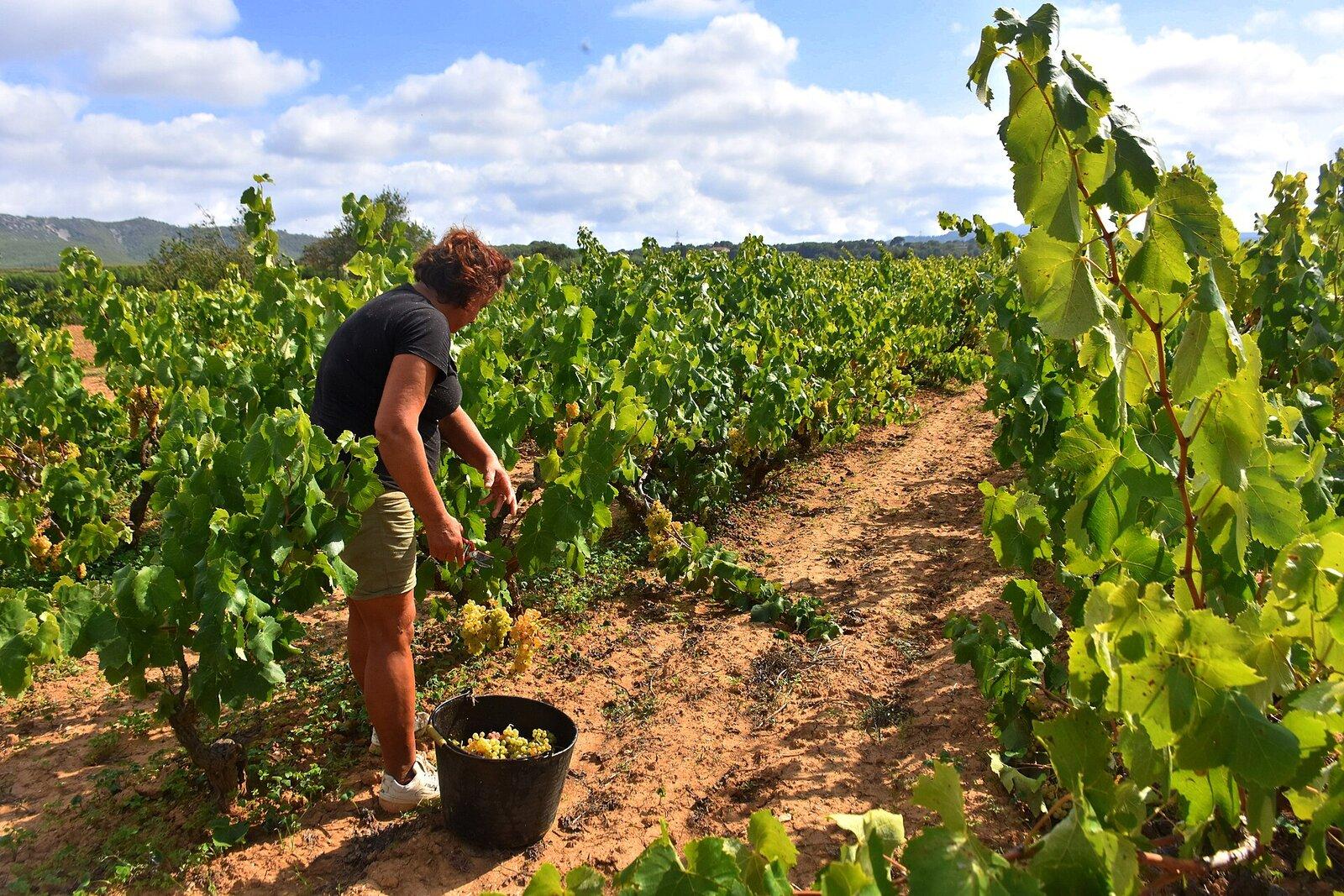
Penedès is not a synonym for cava. A bottle can be grown and made in the Penedès landscape yet carry DO Penedès, DO Cava, Corpinnat or another legal identity. If your aim is to explore still wine, find the appellation first. Then read the grape, vintage and production clues. The word Penedès in a producer’s address is not enough.
This order prevents the most common buying error: choosing a familiar winery name, seeing bubbles in the regional story and assuming that every bottle represents the same rules or style.
First identify the wine’s legal home
Look for “Denominació d’Origen Penedès” or the DO’s mark on the bottle. That tells you the wine was certified within the appellation framework; it does not tell you that the wine is white, dry, unoaked or made from a single local grape.
The official DO Penedès wine guide covers white, red and rosé wines as well as sweet, semi-sparkling and traditional-method sparkling categories. Still wines are not a side project: the appellation describes Xarel·lo-led whites, structured reds and rosés as core parts of its output.
Do not reject a bottle merely because the producer also makes cava. Many Penedès cellars work across different legal categories. Read the appellation printed on the particular bottle in your hand; a winery’s reputation cannot transfer one set of production rules onto another label.
The reverse matters too. “Made in Penedès” in promotional copy is geographic context, not proof that the bottle carries DO Penedès. If certification matters to your comparison, locate it rather than inferring it.
Then ask what the grape contributes
Xarel·lo is the most useful starting point for a Penedès white flight. In a young still wine it can show citrus or orchard-fruit freshness, herbs and a firm, sometimes subtly bitter or saline finish. In a riper, lees-aged, barrel-fermented or skin-contact version, the same grape may feel broader and more savory. Those descriptions are possibilities, not a flavor guarantee.
Macabeu and Parellada may appear alone or in blends, while Malvasia de Sitges, Subirat Parent, white Garnatxa and recovered or less common grapes can lead in particular cellars. International varieties including Chardonnay, Sauvignon Blanc and Riesling are also authorized. “Local wine” therefore does not automatically mean an indigenous variety.
Red labels require the same care. Ull de Llebre—the Catalan name used for Tempranillo—may sit beside Garnatxa Negra, Samsó or Carinyena, Sumoll and Monastrell, as well as Cabernet Sauvignon, Merlot or Syrah. A red blend can express Penedès without being an all-native composition, and a single-variety wine is not inherently more representative than a thoughtful blend.
If the front label omits grapes, turn the bottle around or consult the producer’s technical sheet. Spanish and Catalan wine labels are not obliged to behave like a restaurant tasting note. When the information remains absent, ask rather than constructing certainty from a cuvée name.
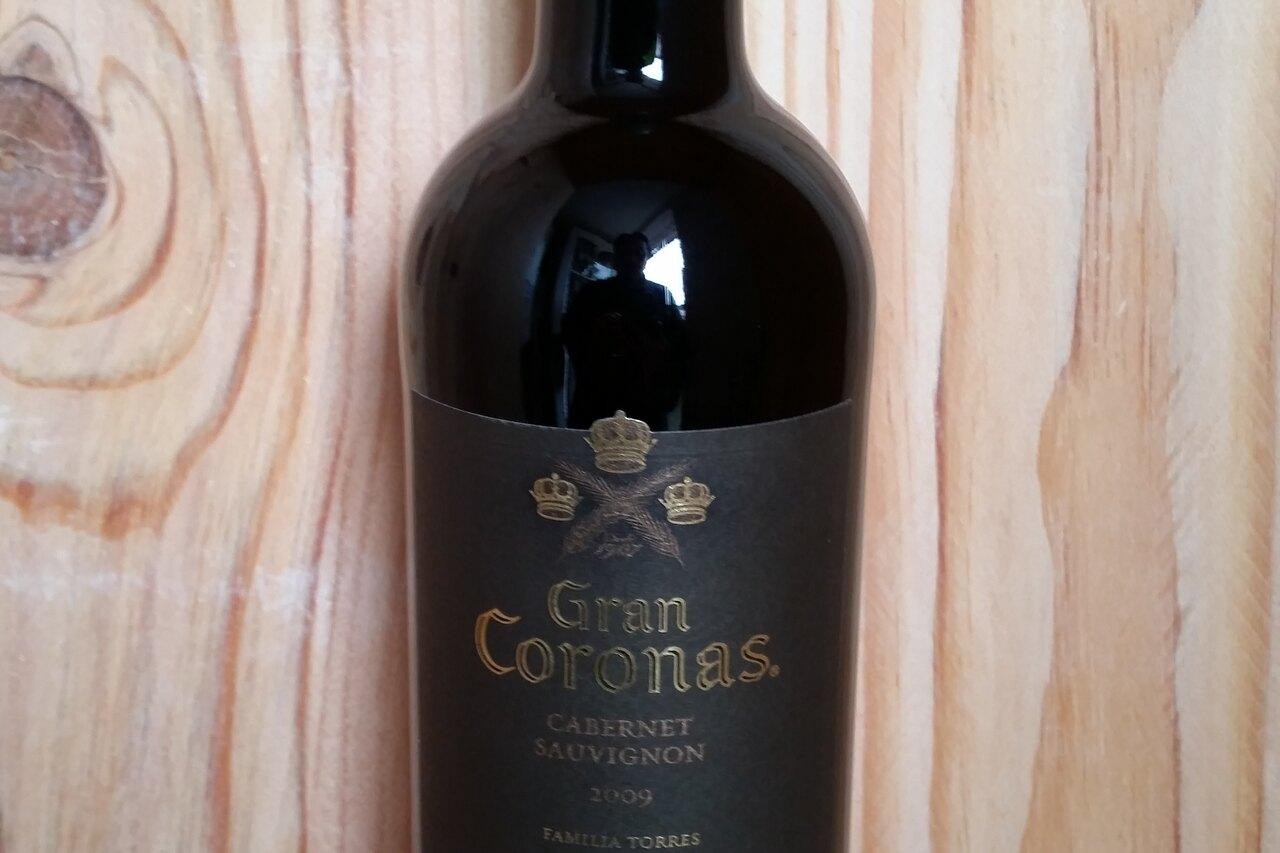
Vintage and cellar words explain shape, not quality
The vintage places the grapes in a harvest year. It can help you compare two bottlings, but newer is not always better and older is not automatically more serious. Most fresh whites are intended for relatively early drinking, while some Xarel·lo-based whites and structured reds are deliberately built to develop.
Look for practical production language:
- Fermentat en barrica means barrel fermented; it does not specify new oak, duration or flavor intensity.
- Criança sobre lies or sobre mares points to lees ageing, which can add texture without making the wine sweet.
- Maceració amb pells indicates skin contact for a white grape; duration matters enormously.
- Vi jove generally signals a youthful style, not an inferior one.
- Monovarietal means one grape dominates according to the applicable rules; it does not make the wine a purer expression by default.
Traditional ageing terms such as crianza or reserva can carry regulated meanings in relevant categories, but a Penedès producer may communicate maturation through a technical description instead. Do not rank bottles solely by the largest ageing word on the front.
Sweetness deserves a direct question. Fruit aroma, ripe alcohol, lees texture and oak can all make a dry wine seem round. If you need a dry bottle, ask és sec? rather than guessing from color or viscosity.
The organic statement now needs a vintage
DO Penedès states that wines from the 2025 vintage onward are 100% organic. The vintage qualification matters. An older bottle can be entirely legitimate DO Penedès stock without belonging to that new all-organic vintage rule, and “organic” does not describe taste, low intervention or the absence of sulfites.
Look for the certification information appropriate to the bottle and market. Farming certification concerns how grapes are grown and wine is handled under defined rules; terms such as “natural,” “minimal intervention” and “biodynamic” are separate claims that require their own evidence.
The official Penedès specifications are the reference when a production detail matters legally. A shop shelf card can summarize a wine, but it cannot replace the bottle’s certification and producer data.
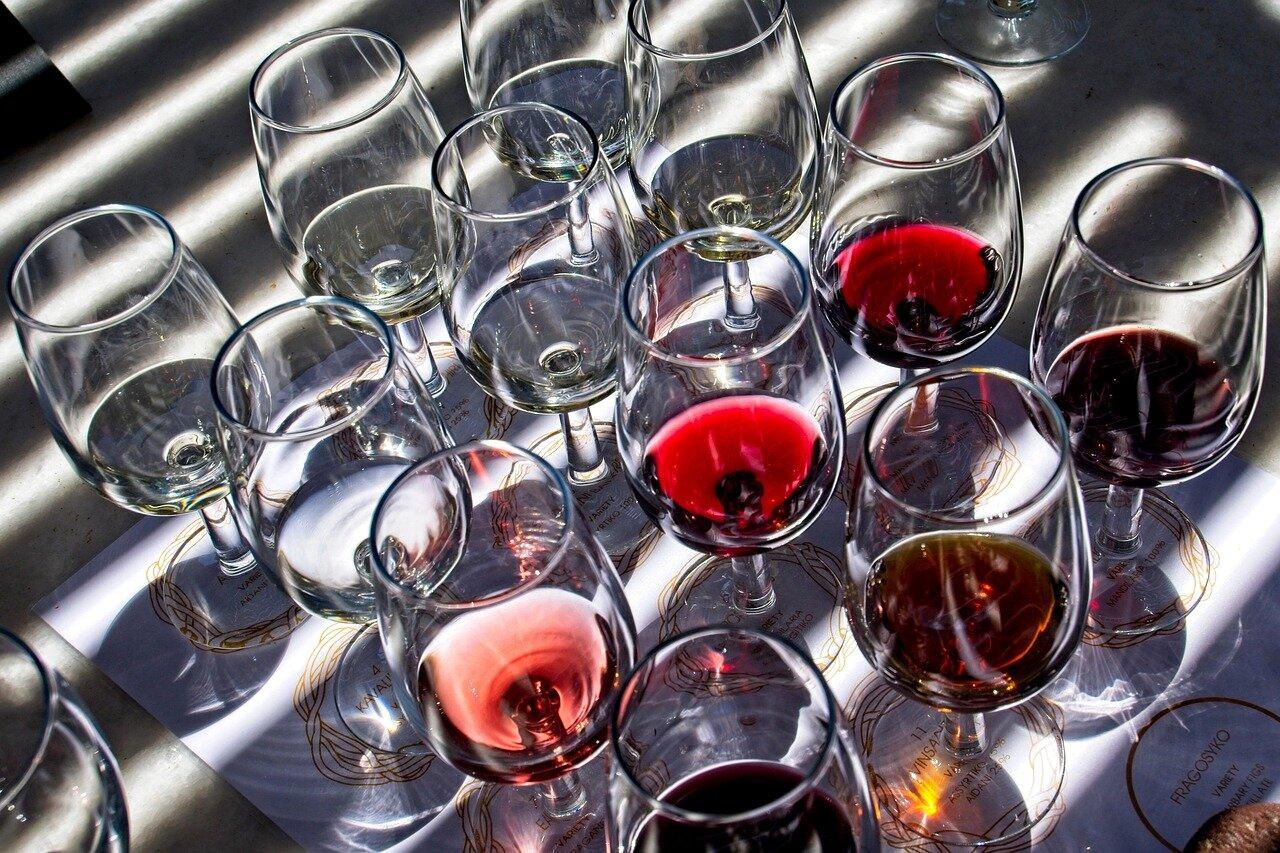
Build a three-wine still flight
The clearest first comparison is not three price levels of the same style. Choose three distinct questions:
- A young, unoaked Xarel·lo or Xarel·lo-led white to establish acidity, fruit and structure.
- A textured white—lees-aged, barrel-shaped or skin-contact—with the production method stated clearly.
- A red led by Sumoll, Garnatxa, Samsó/Carinyena or a local–international blend, selected with its food role in mind.
Pour modestly, use the same glasses and taste the two whites from lighter to more structured before the red. A tasting temperature that is cold rather than icy preserves aroma. Write down grape, vintage, vessel and ageing before writing “liked” or “didn’t like”; the useful lesson is which decision created the difference.
For a fourth bottle, choose rosé or a sweet wine rather than automatically adding sparkling wine. The aim is to discover the still range that the cava shorthand hides.
At a wine bar, ask for three half pours if available. In a shop, a mixed case is more educational than six bottles of the safest recommendation. The DO’s searchable wine and producer directory lets you filter the field, but availability and the current vintage still need confirmation with the merchant or cellar.
Match the label to dinner
A young Xarel·lo suits simply cooked fish, shellfish, salads, anchovies and fresh cheese. A lees- or barrel-shaped white has more room for rice, roast poultry, mushrooms or sauces. Lighter Sumoll or Garnatxa can work with grilled vegetables and cured meats; firmer reds suit stews, roast meat and aged cheese.
Pair by weight and preparation rather than regional patriotism. A powerful oak-aged white can overwhelm delicate shellfish even when both are from Catalonia. A bright red served slightly cool may be better with lunch than a prestigious, heavily structured bottle.
Allow roughly €10–18 retail for a sound introductory bottle, €18–35 for more site- or technique-specific wines and more for scarce parcels or long maturation. These are editorial shopping bands, not official price categories. The most expensive wine is not necessarily the most legible first example.
When the wine list gives you almost nothing
Some restaurant lists show only producer, cuvée and price. Ask four short questions: Is it still or sparkling? Which grape or blend? Is it dry? Was it shaped by oak, lees or skin contact? Then explain the food and the weight you want.
If the server cannot answer, buy by the glass before committing to a bottle or select a clearly described alternative. If a shop presents every regional sparkling wine as “cava,” ask to see the appellation on each bottle. Accuracy is not pedantry here; it is the difference between comparing wine styles and comparing assumptions.
A successful Penedès purchase begins with a legal identity and ends with a meal. Producer fame, an embossed bottle and an ageing word may be useful clues, but appellation, grape, vintage and cellar method tell you what question the wine can actually answer.
Related guides
- DO Empordà Explained: Tramuntana, Soils and Wine Styles
Read DO Empordà through wind, soil and grape without reducing it to one flavor, then choose a coherent two-cellar tasting area.
- Xarel·lo: How to Taste Catalonia's Versatile White Grape
Compare still, sparkling, young, and textured Xarel·lo, learn label clues, plan a Penedès tasting, and pair the grape with food.
- Costers del Segre’s Subzones: Choosing a Lleida Wine Trip
Choose among Costers del Segre's seven separated subzones by landscape, cellar access and travel time instead of forcing western Catalonia into one wine day.
Are you in the know?
Receive new articles, local updates, and occasional offers from selected partners. We never share your email address. Unsubscribe at any time.
By subscribing you agree to our privacy policy.