Wine
DO Empordà Explained: Tramuntana, Soils and Wine Styles
Read DO Empordà through wind, soil and grape without reducing it to one flavor, then choose a coherent two-cellar tasting area.
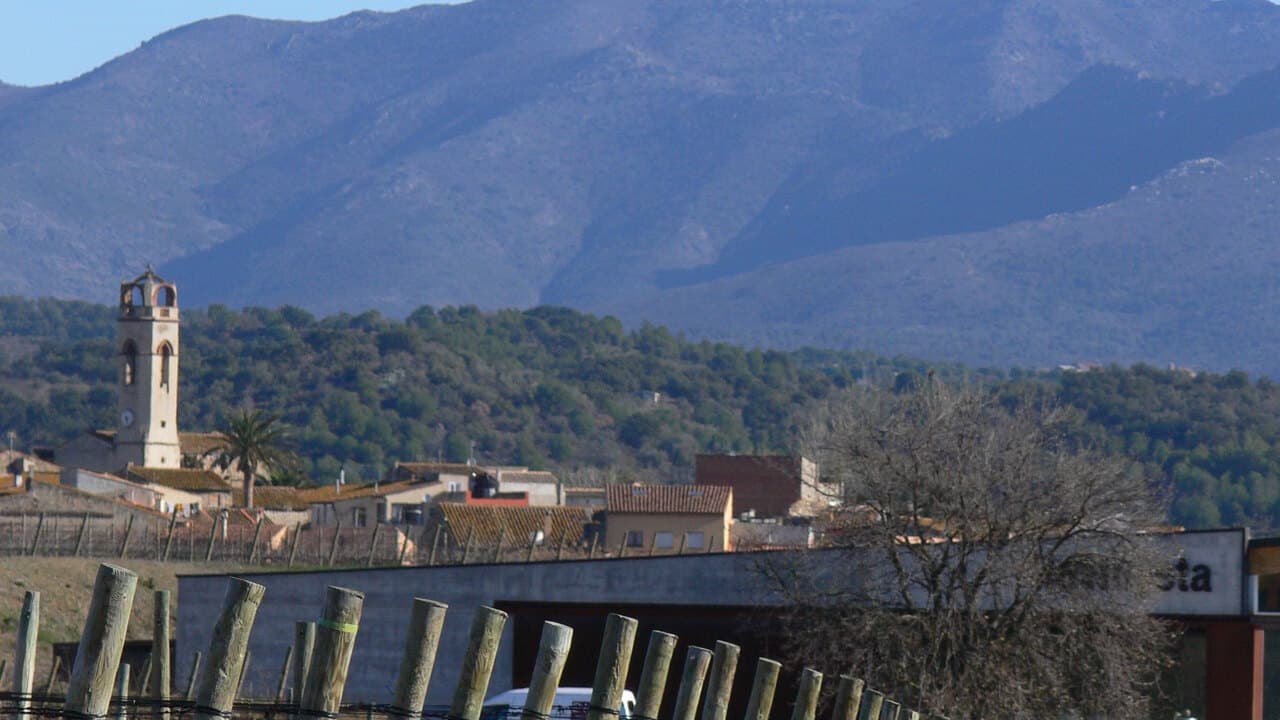
DO Empordà is too dispersed for a spontaneous sweep of famous wineries. Decide first whether the day belongs to the northern arc near the Albera and Cap de Creus, the plain around Figueres, or the southern wine-and-cork landscape of Baix Empordà. Then choose two producers whose wines answer different questions.
That geographic discipline does more for the tasting than collecting appointments across the map. The appellation spans coast, plain and mountain edge; the Tramuntana touches the story, but it does not make every vineyard or wine taste alike.
The Tramuntana is a growing condition, not an aroma
The Tramuntana is the strong northerly wind associated with Empordà. The DO’s climate guide notes that gusts can exceed 120 km/h and describes the wind as beneficial to vine health. Air movement can dry canopies and reduce some disease pressure; it can also increase evaporation, batter shoots and make vineyard work or visitor access unpleasant.
You cannot smell “120 km/h” in a glass. A wine may show freshness, concentration, herbs or salinity, but those impressions also reflect grape, soil, exposure, harvest timing and cellar choices. Use the wind to ask better questions: Is the site exposed or sheltered? How is the vine trained? Does the producer change work around severe forecasts?
For travelers, the wind is operational. Check the forecast before a coastal or ridge drive, secure hats and car doors, and accept an indoor tasting when the winery cancels a vineyard walk. A dramatic landscape is not improved by insisting on outdoor access in dangerous gusts.
Alluvium, granite and slate do not form a tasting key
Empordà’s soils are heterogeneous. The DO’s soil account distinguishes alluvial material on the plain from slate and granite in mountain and slope areas, while noting generally sandy textures, low organic matter and largely acidic conditions.
These categories help orient a visit. Northern and hillside vineyards may expose rock and sharper relief; the plain can look broader and more agricultural. But a back label saying “slate” does not guarantee a taste of stone, and two granite sites can produce very different wines.
Ask how deep the soil is, whether the parcel holds water, its elevation and aspect, and whether the wine comes from one site or several. Soil geology matters through vine growth and water relations; it is not a flavor additive. Producers who can explain the parcel without promising literal minerals usually offer the more useful conversation.
Garnatxa and Carinyena provide the main comparison
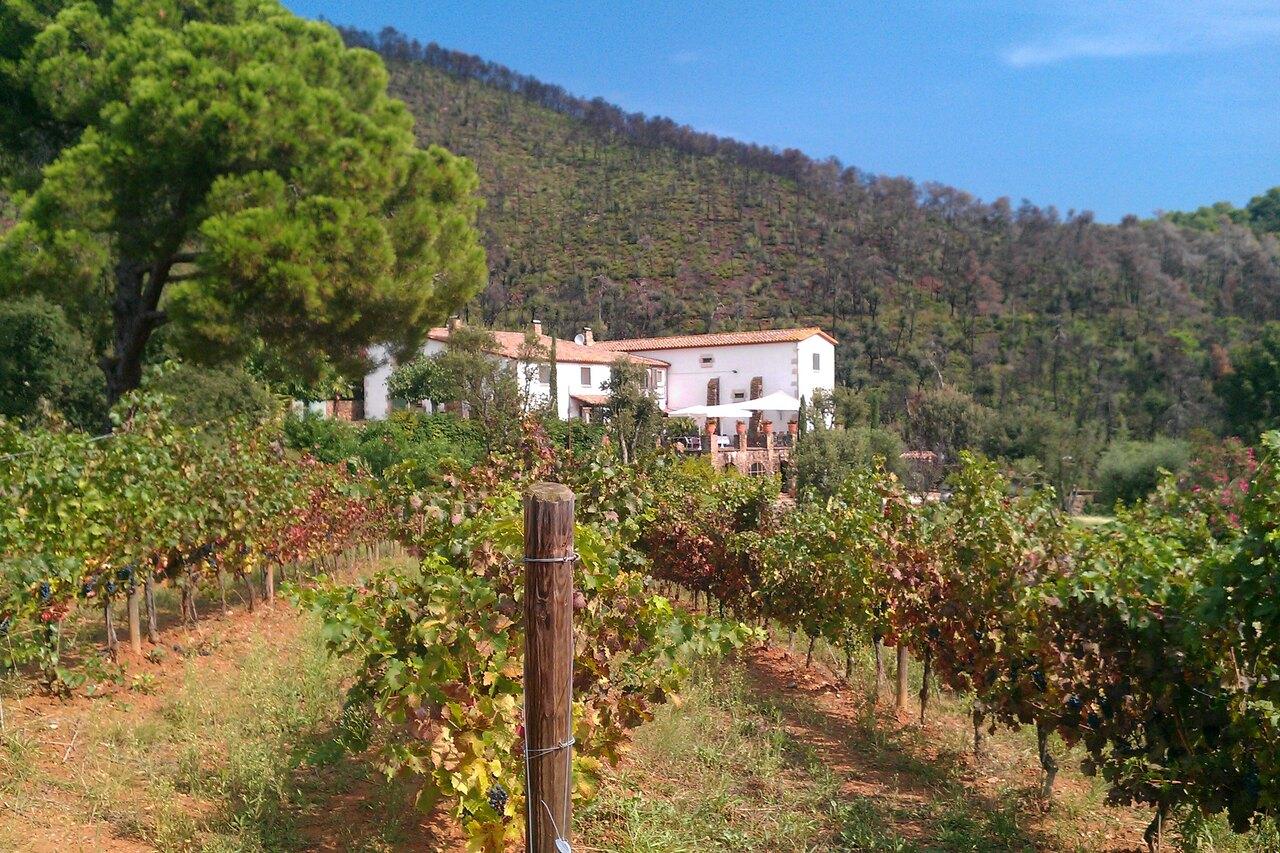
The appellation’s vineyard guide places Grenache and Carignan at the center of local viticulture. Both appear in several colors: white and red forms, with grey variants also important. Macabeu and Muscat are recommended whites; other authorized local and international grapes widen the field.
For a first dry-wine comparison, begin with a white Garnatxa or white Carinyena, then a red in which red Garnatxa and/or red Carinyena lead. White Garnatxa may bring breadth, herbs and orchard or citrus character; white Carinyena can emphasize line and acidity. Red Garnatxa commonly contributes fruit and warmth, while Carinyena can add acidity, color, tannin or savory depth. Site and winemaking can reverse easy stereotypes.
Rosé deserves a place when offered by the glass. It is not merely a beach intermission between “serious” wines. A dry, structured rosé can show local red varieties with less extraction and can be one of the most useful food bottles in the region.
Sweet Garnatxa is a style to request deliberately
Garnatxa de l’Empordà is a traditional naturally sweet specialty, distinct from the dry red or white wines that share the grape name. The official wine guide also identifies Moscatell de l’Empordà and other sweet or overripe-grape categories.
Ask how the wine achieved sweetness, how long it aged and whether oxygen was part of the intended development. Color may run from amber toward mahogany in mature or oxidative examples; aromas can move through dried fruit, nuts, spice, caramel or herbs. Again, these are possible profiles rather than a compulsory script.
Taste sweet wine after the dry flight, in a small pour, with or without a restrained pairing. Very sweet dessert can flatten the wine; nuts, blue cheese or a simple almond biscuit may show it more clearly. A bottle can keep well after opening depending on its style, but ask the producer rather than assuming every sweet wine is indestructible.
Choose one of three geographic days
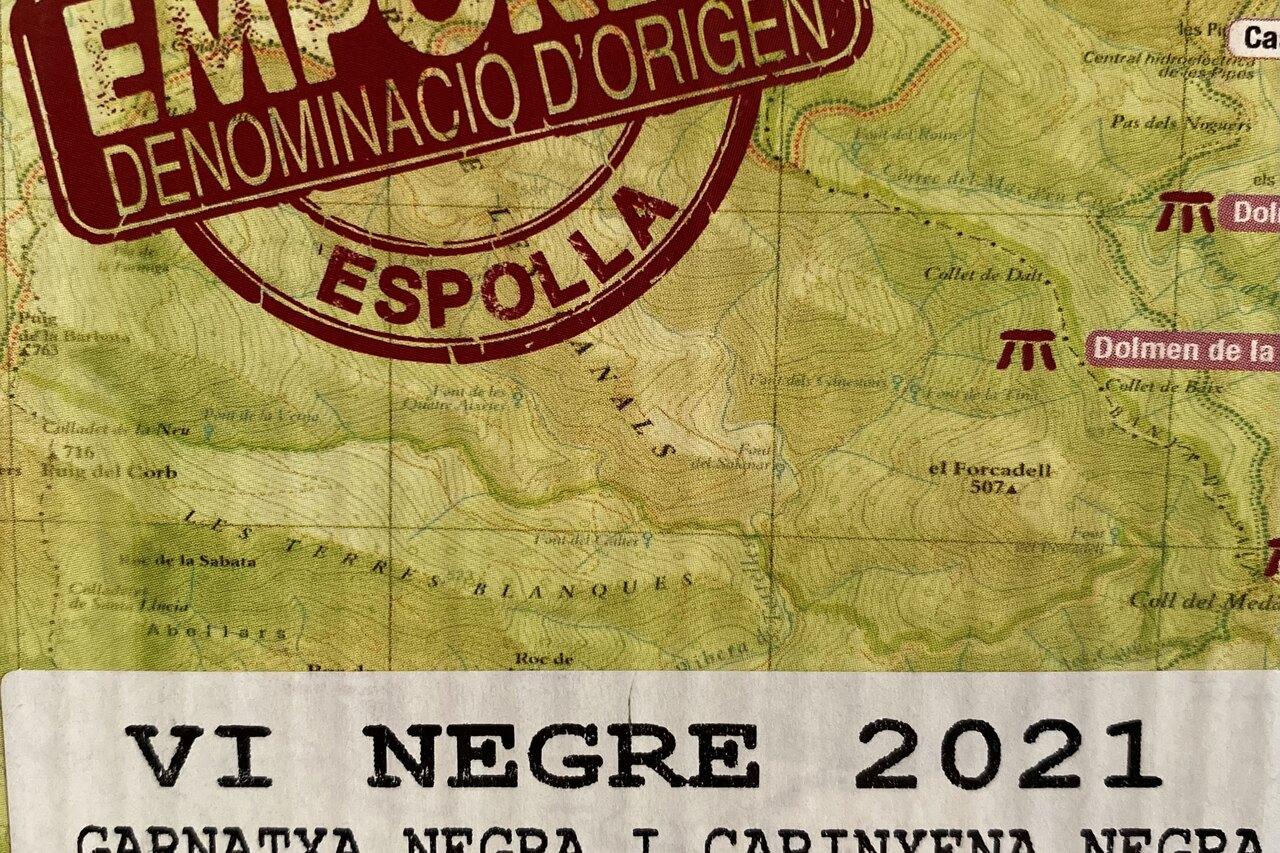
For northern Alt Empordà, cluster appointments around villages such as Capmany, Garriguella, Espolla, Rabós, Vilajuïga or Peralada. This is the strongest choice for comparing the plain with the Albera foothills without crossing the entire DO. Figueres works as a rail-connected base, but most rural cellar combinations still need a car and a sober driver or pre-arranged transport.
For a coast-and-slope day, select one producer near Colera, Llançà, Port de la Selva, Cadaqués or Roses only after checking the actual cellar entrance and road. The view is not worth combining with a distant inland booking on a tight clock. Summer traffic and Tramuntana conditions can erase the apparent margin.
For Baix Empordà, focus around Calonge, Palamós, Torrent, Pals, Fonteta or the Gavarres edge. The DO’s Wine and Cork Trail explains the southern area’s relationship between vineyards and the cork industry. Pair one cellar with the Cork Museum in Palafrugell or a food stop rather than driving north for a third tasting.
The official route material divides the territory into an Alt Empordà wine trail, a connecting trail and the Baix Empordà wine-and-cork trail. Use those as geographic logic, not as a requirement to complete every point.
Ask two wineries different questions
At the first appointment, request a place-led sequence: a young white, a red Garnatxa–Carinyena comparison and, if available, one parcel wine. At the second, focus on method: concrete versus barrel, whole cluster versus destemmed fruit, or dry wine followed by Garnatxa de l’Empordà.
Reserve directly and confirm language, duration, walking surface and whether the visit enters the vineyard. A tasting room listed online may not accept unannounced visitors. Harvest can alter access even when the annual opening schedule appears clear.
Allow roughly €15–35 per standard visit and more for private, vineyard or old-vintage formats. Lunch and rural transport belong in separate budget lines. Two well-spaced appointments, a proper meal and water teach more than four rushed cellar doors.
No member of the group should “taste lightly” and then drive. Spitting reduces alcohol intake but does not make an unlimited tasting compatible with driving. Name the non-drinking driver before bookings or arrange a guide whose transport and insurance are explicit.
The indoor fallback can be the better lesson
When high wind removes vineyard access, keep both tastings within one town or cancel the more exposed appointment. Ask the producer to place soil maps, vineyard photographs or parcel samples beside the wines. A comparative seated flight can explain the appellation better than a hurried walk spent holding onto a jacket.
If cellar times will not align, visit one confirmed winery and use a wine shop or restaurant for a second comparison. Select a northern and southern bottle, or granite/slate and plain-origin examples where the producer supplies real site information. Do not invent a soil distinction from label artwork.
Empordà becomes legible when wind, ground, grape and cellar remain four connected but separate layers. The strongest visit does not end with a claim that every wine tastes of Tramuntana; it ends with a clear sense of why two nearby vineyards—and two thoughtful producers—can disagree so productively.
Related guides
- Costers del Segre’s Subzones: Choosing a Lleida Wine Trip
Choose among Costers del Segre's seven separated subzones by landscape, cellar access and travel time instead of forcing western Catalonia into one wine day.
- DO Penedès Beyond Cava: How to Read Still-Wine Labels
Separate appellation, grape and cellar technique on a Penedès label, then choose a useful three-bottle flight of the region's still wines.
- Garnatxa Blanca in Terra Alta: A First Tasting Guide
Taste three contrasting Terra Alta Garnatxa Blancas in an order that separates the grape's structure from lees, skin contact and oak.
Are you in the know?
Receive new articles, local updates, and occasional offers from selected partners. We never share your email address. Unsubscribe at any time.
By subscribing you agree to our privacy policy.