Wine
Costers del Segre’s Subzones: Choosing a Lleida Wine Trip
Choose among Costers del Segre's seven separated subzones by landscape, cellar access and travel time instead of forcing western Catalonia into one wine day.
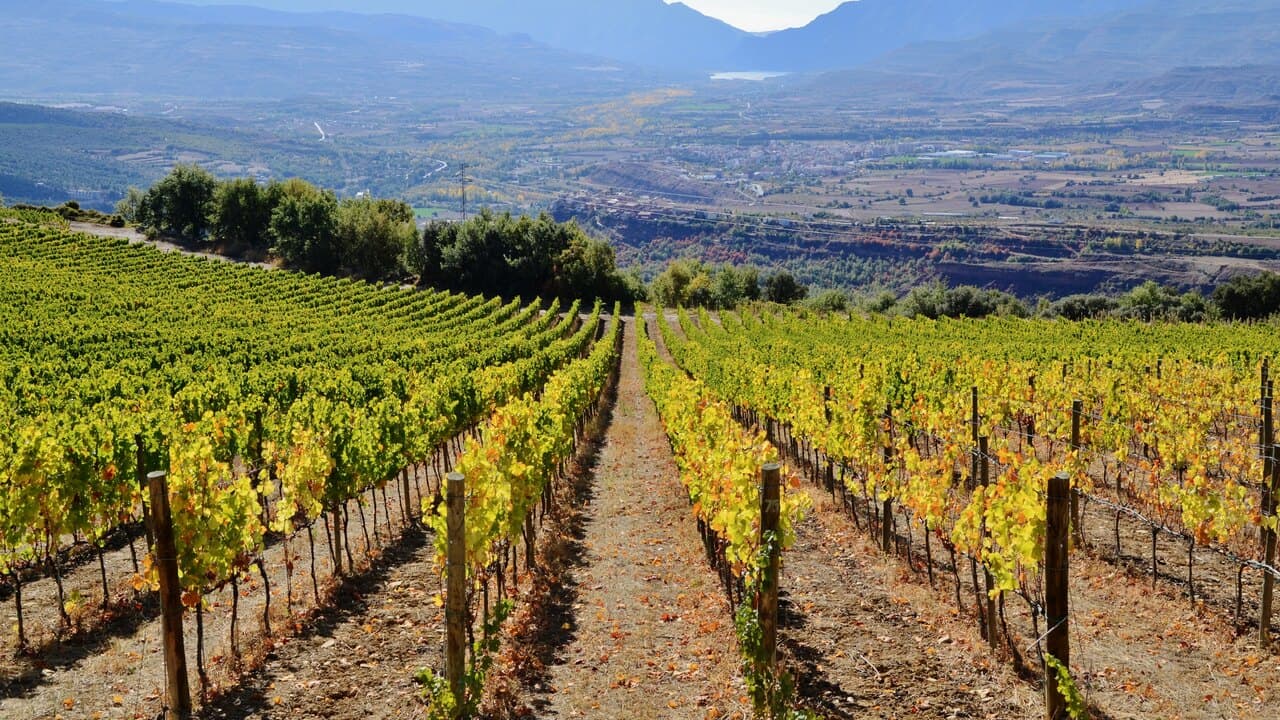
Costers del Segre is not one compact vineyard district outside Lleida. It is seven separated subzones extending from dry southern country toward Pyrenean-influenced vineyards. Choose one practical cluster—occasionally two adjacent ones—before choosing cellars. A list built around bottle fame can otherwise produce a day of driving with tastings squeezed into the margins.
Lleida city is the best general transport hub, but it is not equally close to every expression of the DO. The northern Pallars trip and the southern Garrigues trip do not belong in the same day.
Read the DO as a mosaic
The official Costers del Segre overview calls the appellation a mosaic of seven territories along the Segre basin and the Lleida Pyrenees. Its shared frame is inland: calcareous soils, continental influence, strong seasonal and day–night temperature changes, abundant sun and relatively low rainfall.
Within that frame, the DO’s geography guide places vineyards from about 200 to 1,100 metres. The northern areas carry greater altitude and Pyrenean influence; the Lleida plain and southern valleys are drier and lower. Those differences make “What is a typical Costers del Segre wine?” less useful than “Which subzone and site does this bottle come from?”
The DO's official history and boundary summary gives the seven names as Artesa de Segre, Urgell, Garrigues, Pallars Jussà, Raimat, Segrià and Valls del Riucorb. A winery’s postal comarca and the subzone stated in appellation material may not use identical geographic language, so check the producer rather than assigning a subzone from a nearby town.
Start close to Lleida: Raimat and Segrià
Choose the Lleida plain when this is your first visit, your group has limited rural-driving appetite, or the wine day must fit around the Seu Vella and a city dinner. Raimat and Segrià provide the most coherent city-based introduction.
Raimat is associated with broad vineyard estates and the modern development of Lleida wine. Segrià spreads the story across dry-farmed areas and the agricultural plain. Do not assume every landscape here is identical or every producer is large; use one substantial winery visit and a second contrasting producer or city tasting.
This is the strongest fallback cluster when nobody wants to drive after tasting. Ask the winery about a transfer, hire a vehicle with driver or designate someone who will not drink. Return to Lleida for a comparative glass at dinner rather than adding a distant third appointment.
Turn southeast for Urgell and Valls del Riucorb
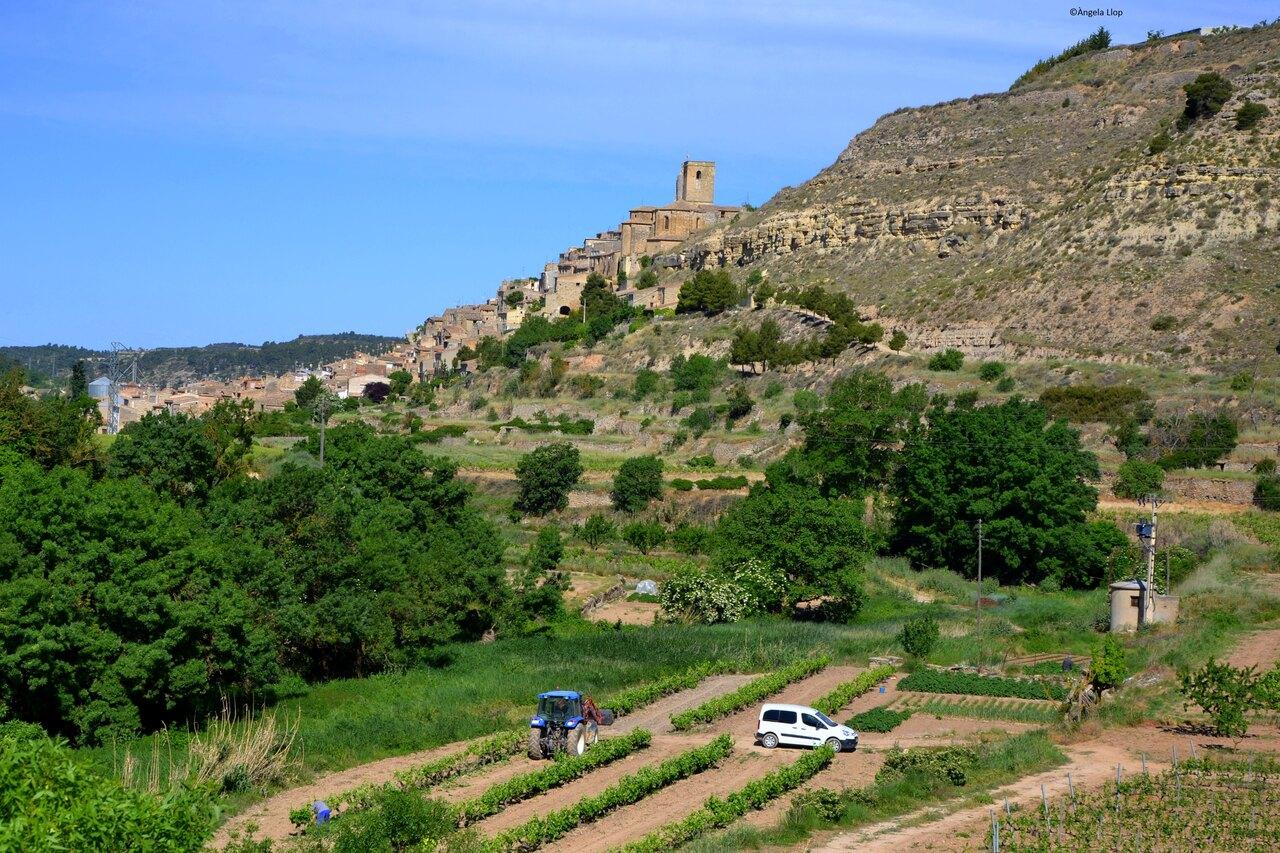
Urgell and Valls del Riucorb suit travelers who want wine with villages, dry-stone country and Cistercian or medieval heritage. Verdú, Tàrrega and the approaches toward Vallbona de les Monges can anchor a day, depending on the actual wineries booked.
The attraction here is not a promise that all wines share one profile. It is a coherent road geography: one morning cellar, lunch in the same area, and either a second visit or a heritage stop. The official Lleida Wine Route lists wineries and bookable experiences, but contact the producer to confirm date, language, duration and exact entrance.
Choose this cluster over the Lleida plain when small-town context matters more than minimizing transfers. If visiting Vallbona, respect monastery access and worship schedules; a late wine appointment is not a reason to rush a cultural site.
Go south for Garrigues
Garrigues is the choice for arid uplands, olive country and a wine-and-oil weekend. Villages such as La Pobla de Cérvoles, Arbeca and nearby southern-Lleida communities provide potential anchors, but wineries remain scattered.
Pairing olive oil and wine creates a full sensory day. Schedule food before the second tasting and avoid stacking an oil mill, winery, archaeological site and long lunch into five hours. The Iberian fortress of Els Vilars at Arbeca or a vineyard art project can provide the non-wine focus when current opening times align.
Use a local overnight when the desired cellar lies well south of Lleida or has an early appointment. Returning to the city after dinner and two tastings is not a sensible economy if the driver has participated.
Choose Artesa de Segre for foothills and transition
The Artesa de Segre subzone occupies a northern transition around places including Artesa de Segre and parts of the Noguera landscape. It works well for travelers continuing toward the Montsec or using Balaguer and its surroundings as a broader base.
This is not the same high-mountain proposition as Pallars. Use the visit to ask how elevation, river valleys and continental conditions change harvest timing relative to the plain. A producer working more than one site can make the comparison concrete.
Road distances can look modest while rural approaches and appointment windows consume time. Book one winery before adding a castle, monastery or hike; wine tourism here is rarely a row of walk-in tasting rooms.
Give Pallars Jussà an overnight
Pallars Jussà is the distinct northern choice: higher sites, Pyrenean influence and a journey that deserves more than an out-and-back dash from Barcelona. Tremp or Talarn can provide the base, with the Montsec and reservoir landscapes giving the trip its larger context.
Ask about elevation, frost, ripening and the distance between vineyard and cellar. Do not use “mountain wine” as a complete tasting note. High altitude can contribute temperature variation and a different growing season, but grape variety, exposure and producer decisions still shape the glass.
Make this a one- or two-night route. One afternoon arrival and next-morning cellar visit leaves room for weather and mountain-road delays. If a visit cancels, the trip still has landscape and heritage; if wine is the only purpose, the long transfer becomes fragile.
Select cellars by comparison, not prestige
Once the cluster is fixed, choose two appointments with a deliberate contrast. Useful pairs include:
- native and long-established grapes beside Cabernet, Merlot, Syrah or Chardonnay;
- lower and higher vineyard sites;
- youthful white or rosé beside a structured red;
- a large estate beside a small family or grower-led project;
- one vineyard walk and one seated technical tasting.
Costers del Segre has a history of working with international varieties alongside grapes such as Macabeu, Garnatxa, Ull de Llebre and others. An international grape does not make the wine placeless; a local grape does not guarantee transparent site expression. Ask where it grew and how it was handled.
Allow roughly €15–35 per standard tasting, more for private or vineyard formats, plus lunch, bottles and the real cost of sober transport. Appointment-only experiences may require a minimum group or advance payment. Confirm cancellation terms before building the entire day around one rural address.
Use Lleida when plans refuse to align
If preferred wineries offer incompatible times, do not bridge a large distance at speed. Keep the one confirmed producer, return to Lleida and ask a specialist shop or wine-focused restaurant for a subzone comparison. Select bottles from two or three named areas and check the producer’s site information rather than judging by label imagery.
The Wine Route’s directory includes wine shops and restaurants as well as wineries. That makes a city-based comparative tasting a legitimate fallback, particularly for travelers arriving by rail. It can also solve the drinking-and-driving conflict more safely than a last-minute rural taxi search.
When no driver is available, buy three bottles for later: one from the plain, one from a southern dry subzone and one from a northern or higher site. Taste them over several meals, not in one sitting.
Book in this order
First choose the subzone cluster and overnight base. Second secure the hardest winery appointment. Third solve the non-drinking transport. Only then add lunch and a second visit. Put exact entrances—not merely village names—into the route, and keep telephone numbers available offline.
In summer, protect wine from a parked car; in winter, check fog and road conditions on the plain and farther north. Harvest can change visitor access throughout the DO. A cellar that welcomes visitors year-round may still need to move or shorten a booking during active production.
The right Costers del Segre trip does not “cover” seven subzones. It makes one part of western Catalonia intelligible, leaves room for a sober meal and sends you home knowing which different landscape should become the next trip.
Related guides
- DO Empordà Explained: Tramuntana, Soils and Wine Styles
Read DO Empordà through wind, soil and grape without reducing it to one flavor, then choose a coherent two-cellar tasting area.
- DO Penedès Beyond Cava: How to Read Still-Wine Labels
Separate appellation, grape and cellar technique on a Penedès label, then choose a useful three-bottle flight of the region's still wines.
- Costers del Segre: A Wine Day from Lleida
Build a compact Costers del Segre tasting day around Lleida and Raimat, with cellar bookings, transport choices and a sober return.
Are you in the know?
Receive new articles, local updates, and occasional offers from selected partners. We never share your email address. Unsubscribe at any time.
By subscribing you agree to our privacy policy.