Wine
Garnatxa Blanca in Terra Alta: A First Tasting Guide
Taste three contrasting Terra Alta Garnatxa Blancas in an order that separates the grape's structure from lees, skin contact and oak.
Do not begin a Terra Alta Garnatxa Blanca tasting with the darkest, oakiest or most expensive bottle. Start with a young, dry example made without obvious barrel influence. It gives you a reference for the grape’s body, acidity and finish. Only then add lees, skin contact or wood and ask what changed.
This sequence matters because Garnatxa Blanca can carry cellar technique convincingly. Taste the technique first and it is easy to mistake toast, tannin or creamy lees texture for the grape’s fixed personality.
Expect structure before a single aroma
Garnatxa Blanca often feels broader and more substantial than a very high-acid, lightweight white. Depending on site, harvest and production, it may suggest pear, apple, citrus peel, white flowers, herbs, fennel, stone, nuts or wax. Warmth and alcohol can be noticeable. None of those notes is a compulsory checklist.
The official DO Terra Alta specification describes single-variety white Garnatxa as ranging from grey-yellow toward gold and values aromatic complexity. That is a regulatory sensory frame, not permission to call every golden wine complex. Oxidation, excessive heat and age can also deepen color. Smell and taste before explaining the shade.
A better first question is structural: does the wine feel fresh or broad, direct or layered, smooth or gently phenolic? Then look for aromas. Structure helps distinguish a cool serving temperature from genuine acidity and a ripe vintage from residual sugar.
Put the landscape beside the glass carefully
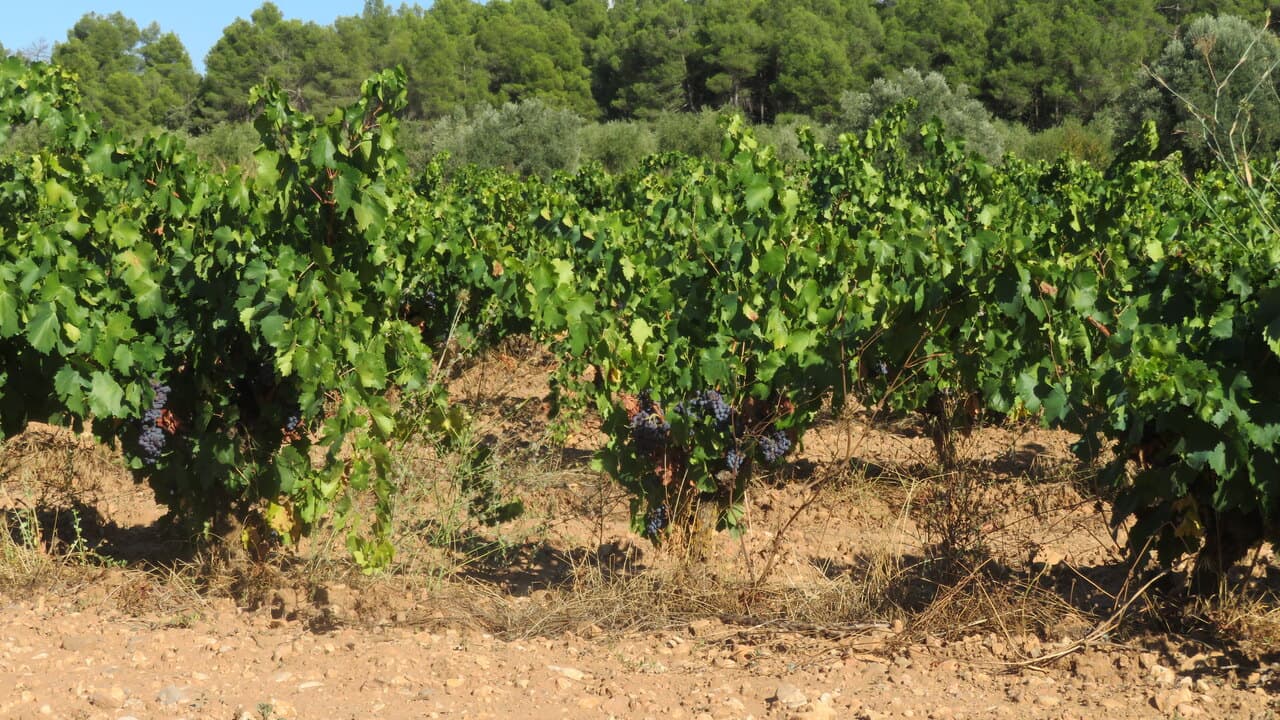
Terra Alta occupies an inland Mediterranean landscape between the Ebro and the Aragon border. INCAVI's official appellation overview describes the calcareous ground, Mediterranean conditions and predominance of traditional varieties that frame the region's wines.
Many vineyards occupy terraces, slopes and valley floors with different exposures and water relationships. White, red and hairy Grenache are the predominant grapes and sit within a wider traditional mix led by long-established varieties.
Those facts explain pressures on the vine; they do not let a taster diagnose a specific plot blind. “Windy,” “mineral” and “high altitude” are not flavors guaranteed by a map. Ask the producer where the grapes grew, when they were picked and how the must was handled before assigning every sensation to terroir.
Build the flight around three cellar choices
For four people, three 750 ml bottles are more than enough for a focused comparison with dinner. For two, use a wine bar flight, share with another pair or preserve opened bottles properly rather than drinking for the sake of completion.
Choose:
- A young, dry, protected-vessel wine. Stainless steel or another neutral vessel provides the baseline. Look for fruit, herbs, body, acidity and any gentle bitter note at the end.
- A lees-aged or vessel-textured wine. Concrete, amphora, foudre or extended lees can change shape without necessarily adding obvious oak flavor. Ask whether the lees were stirred and for how long.
- A barrel-fermented, barrel-aged or skin-contact wine. Pick one clearly stated technique, not a mystery “special selection.” Note tannin, spice, toast, oxygen and finish alongside the fruit.
Keep the bottles within a reasonably close price range if possible. Otherwise cost, rarity and packaging can steer expectation before the first sip. Cover the labels for the first round if your group enjoys blind comparison, but reveal them before discussing production details.
Serve the wines cool, not numb. Begin around 10–12°C and let them warm slightly in the glass. A structured white may become more expressive after ten minutes; a tired or faulty bottle will not be rescued by a story about complexity.
Use a five-line tasting note
Long lists of fruit can obscure the useful comparison. Give each wine five lines:
- appearance and condition;
- aroma family, not every imagined object;
- acidity, alcohol and body;
- texture and finish;
- the food or moment it suits.
Then add the known facts: village or parcel, vintage, harvest timing if supplied, vessel, lees or skin duration, and oak age/size where relevant. When two wines differ, point first to evidence you have. “This wine spent six months on lees” is firmer than “the wind made it creamy.”
Spit when tasting several wines, drink water and eat. Food and coffee do not remove alcohol; arrange a non-drinking driver, taxi or overnight before visiting rural cellars.

Gandesa and Batea are contexts, not rival styles
Gandesa and Batea are useful bases for finding producers, but municipal borders do not create two simple flavor camps. Vineyards, elevations, soils, vine age and production decisions vary within both areas. A “Gandesa wine” and a “Batea wine” may differ for reasons that have little to do with the town name.
In Gandesa, the cooperative’s Modernista building can add architectural context to a tasting day. In Batea, multiple producers make the village a practical appointment cluster. Reserve visits; working wineries are not open-door museums, especially during harvest.
Gandesa is also the practical place to seek current DO orientation when schedules do not align, but do not assume an office or bottle shop provides a walk-in guided tasting. Confirm the precise service and opening time before relying on it.
One morning appointment, lunch and one afternoon tasting are sufficient. More glasses do not produce more understanding once palate fatigue begins.
Pair each style by weight
Pour the young example with grilled fish, shellfish, escalivada, fresh cheese or a simple vegetable rice. Its job is refreshment and definition. A broader lees-aged wine can meet salt cod, roast chicken, creamy rice, mushrooms or white beans. Barrel or skin-contact versions can handle smoke, richer sauces, aged cheese and some pork dishes.
Avoid insisting that every regional dish needs the region’s emblematic white grape. A delicate fish may be lost under a powerful barrel-fermented Garnatxa; a very tannic skin-contact wine can fight spice or bitterness. Match the actual bottle.
Retail prices vary widely, but €10–18 is a sensible opening band for a straightforward introduction and €18–35 for more specific sites, old vines or extended cellar work. Scarce cuvées can cost more. Ask what explains the difference before treating price as concentration.
When only one bottle is available
Do not present one Garnatxa Blanca as “the taste of Terra Alta.” Put it beside a local Macabeu, a Garnatxa-led blend or the restaurant’s other white from the DO. Ask how the single bottle was fermented and aged, then describe what is in the glass without generalizing to a whole region.
INCAVI's appellation overview describes an unusually extensive range of single-variety Garnatxa Blanca wines in Terra Alta. That breadth supports comparison, not a hunt for one official aroma.
If the wine smells of wet cardboard, vinegar, bruised apple without freshness or otherwise seems faulty, ask the server to check it. Oxidative production can be intentional, but “natural” or “traditional” does not make a defect mandatory.
The successful first tasting ends with a relationship, not a winner: a baseline wine that shows the grape’s frame, a second that changes texture, and a third that reveals how confidently Garnatxa Blanca can carry a stronger cellar decision.
Related guides
- Xarel·lo: How to Taste Catalonia's Versatile White Grape
Compare still, sparkling, young, and textured Xarel·lo, learn label clues, plan a Penedès tasting, and pair the grape with food.
- DO Empordà Explained: Tramuntana, Soils and Wine Styles
Read DO Empordà through wind, soil and grape without reducing it to one flavor, then choose a coherent two-cellar tasting area.
- DO Penedès Beyond Cava: How to Read Still-Wine Labels
Separate appellation, grape and cellar technique on a Penedès label, then choose a useful three-bottle flight of the region's still wines.
Are you in the know?
Receive new articles, local updates, and occasional offers from selected partners. We never share your email address. Unsubscribe at any time.
By subscribing you agree to our privacy policy.